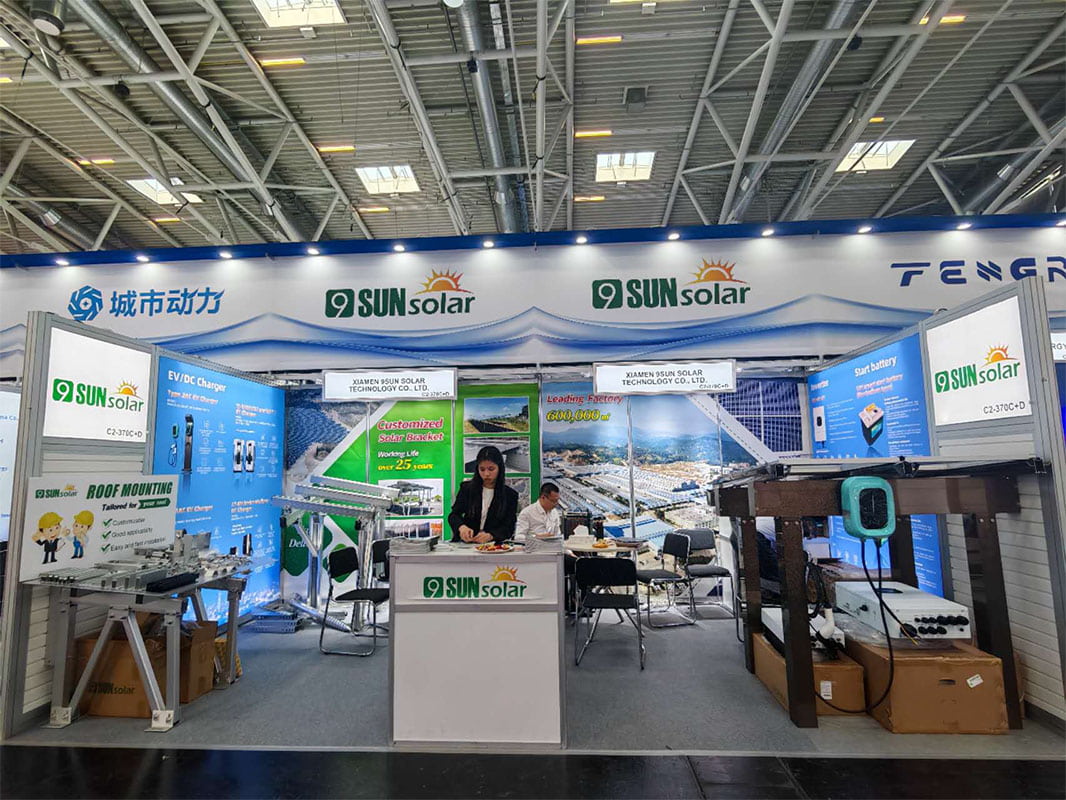
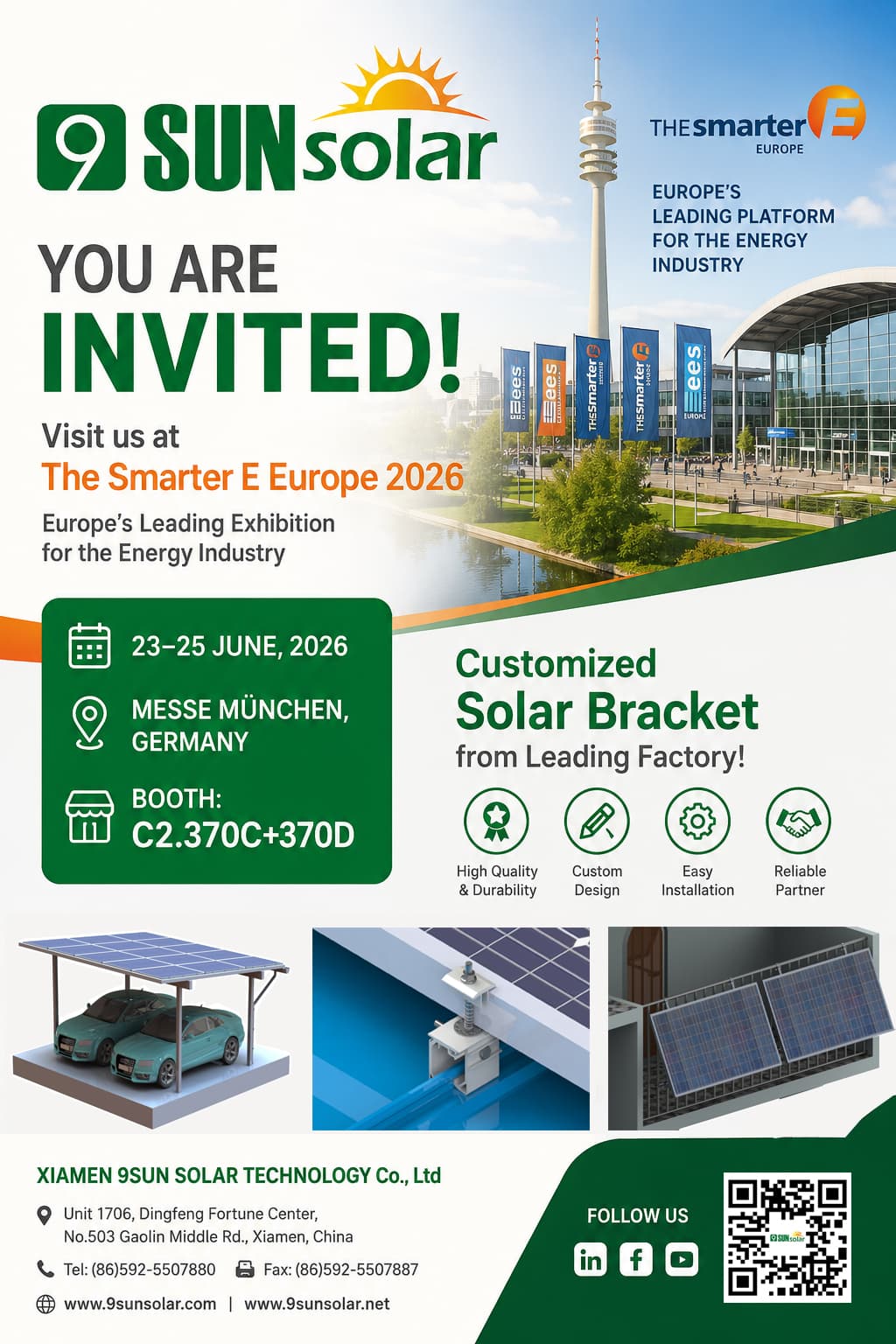
We are pleased to announce that XIAMEN 9SUN SOLAR TECHNOLOGY Co., Ltd will be participating in The Smarter E Europe 2026, Europe's largest and most influential trade fair alliance for the energy industry. The event will take place from June 23–25, 2026, at the New International Exhibition Center (Messe München) in Munich, Germany.
Visit us at Booth C2.370C/D.
About The Smarter E Europe 2026
The Smarter E Europe brings together four specialized trade fairs under one roof: Intersolar Europe (solar energy), ees Europe (battery and energy storage systems), Power2Drive Europe (charging infrastructure and e-mobility), and EM-Power Europe (energy management and integrated energy solutions). This unique combination makes it the premier platform for showcasing cross-sector technologies that enable a 24/7 renewable energy supply.
This year's edition is expected to host approximately 2,800 exhibitors from around the world, with over 100,000 visitors anticipated across the three-day event. The exhibition spans more than 200,000 square meters across 19 halls and an outdoor area.
2026 Highlights: Renewables 24/7
The central theme of this year's event is "Renewables 24/7 – Secure Energy for a Changing World," featuring a special exhibition in Hall C5. The exhibit demonstrates how a fully renewable energy system can function across four key areas – industry, commerce, residential applications, and mobility – covering everything from generation, distribution, and storage to grid integration and hydrogen technologies.
The message is clear: renewable energy guarantees a secure, reliable, and affordable supply every day, around the clock. This vision is backed by a new study from the Fraunhofer Institute for Solar Energy Systems ISE, which confirms that a renewable energy system is not only technically feasible but also cost-effective, resilient, and climate-neutral.
Other key highlights include:
The Hydrogen Dialogue Summit (June 24–25), exploring the latest trends and challenges in the hydrogen sector
The Bidirectional Zone, showcasing how electric vehicles can charge, store, and feed electricity back into the grid
The ees Island Challenge 2026 (BEYOND EARTH) , presenting space-developed solutions applicable to microgrids and critical infrastructure on Earth
BSW-Solar press conference on the opening day, presenting the latest solar and battery storage market figures for Germany
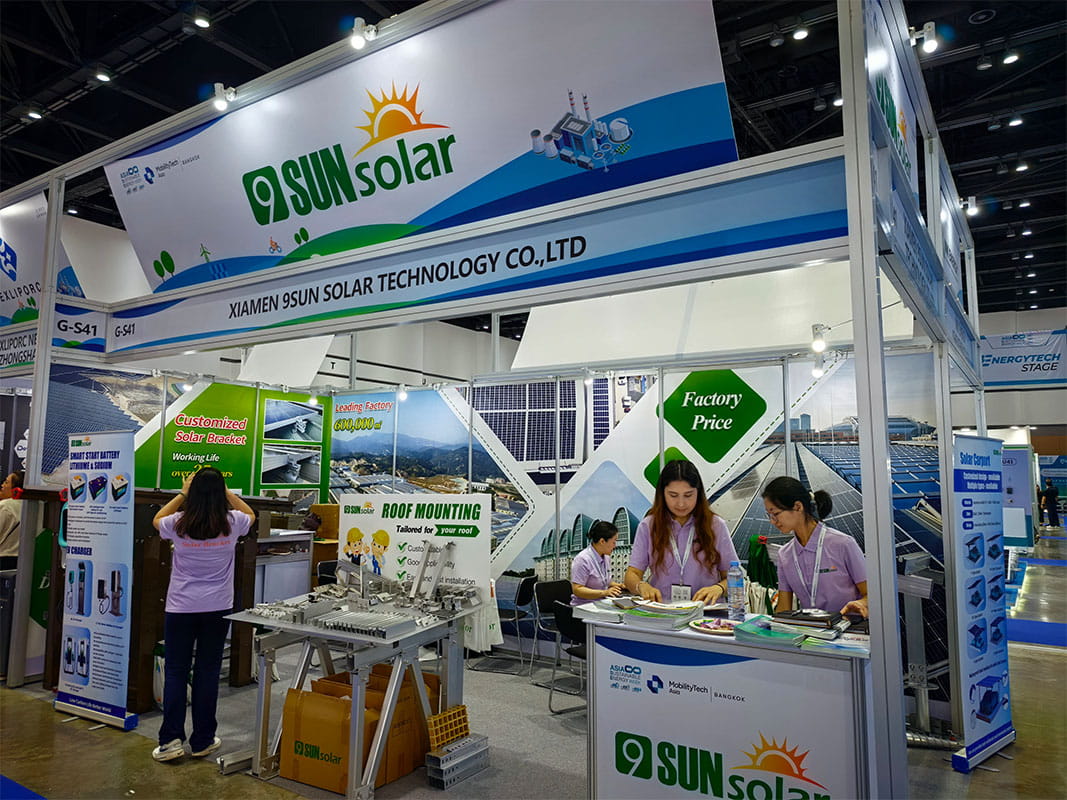
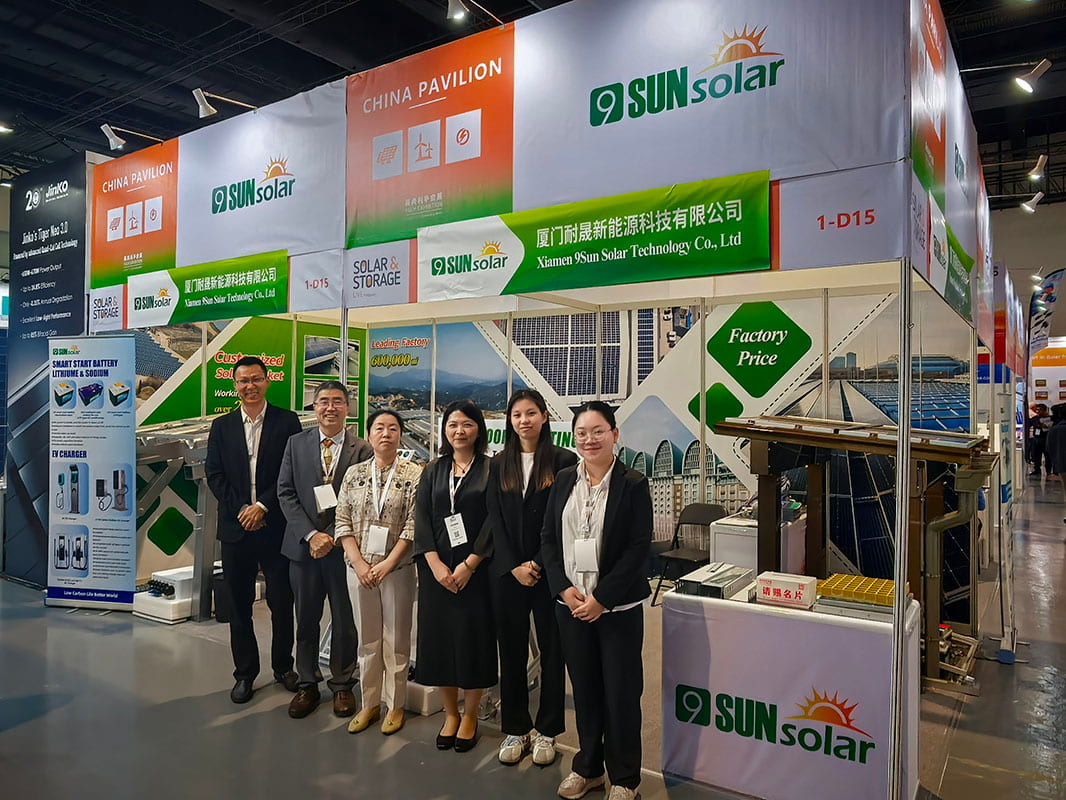
Meet XIAMEN 9SUN SOLAR TECHNOLOGY at Booth C2.370C/D
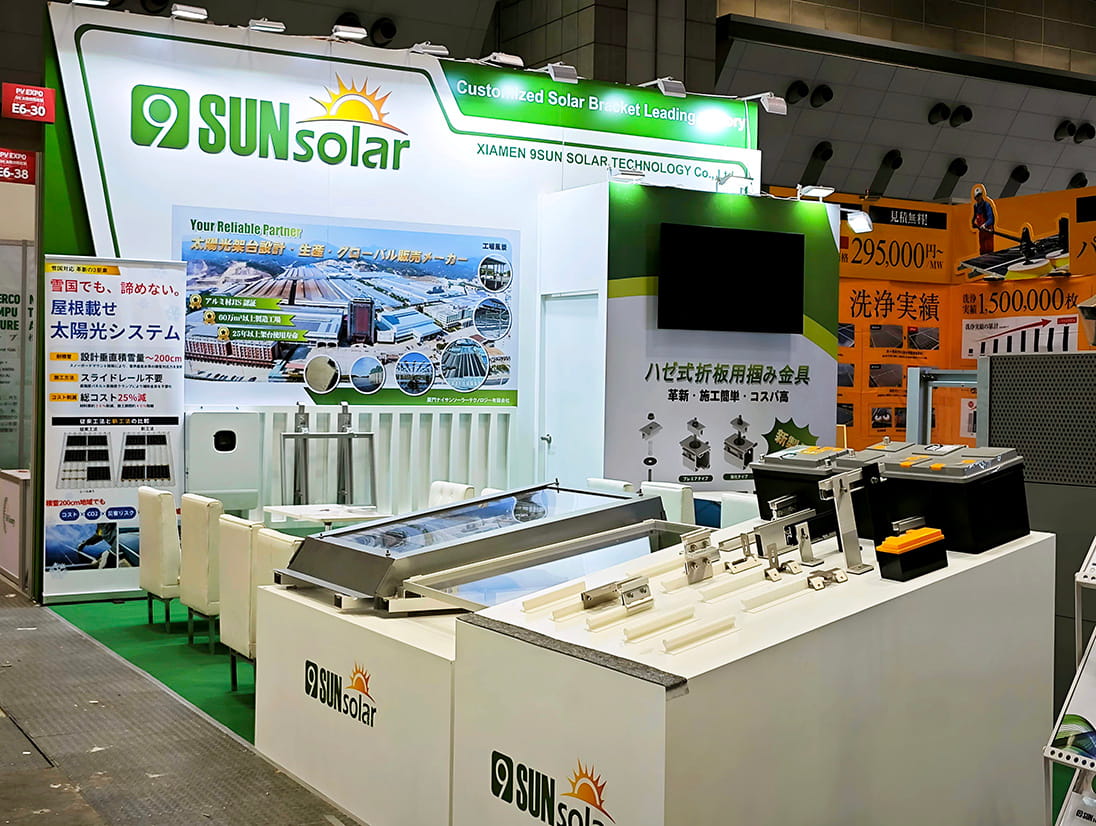
As a dedicated player in the solar energy industry, XIAMEN 9SUN SOLAR TECHNOLOGY is excited to bring our latest innovations to the global stage. We will be showcasing our high-efficiency PV modules and smart energy solutions, and our expert team will be on-site throughout the exhibition to discuss your project needs, explore partnership opportunities, and share insights on the latest industry trends.
Whether you are a project developer, system integrator, distributor, or industry professional, we invite you to visit our booth and discover how 9SUN SOLAR can support your renewable energy goals.
We look forward to welcoming you in Munich. See you at Booth C2.370C/D!
Read More






 IPv6 network supported