leave a message
If you are interested in our products and want to know more details,please leave a message here,we will reply you as soon as we can.
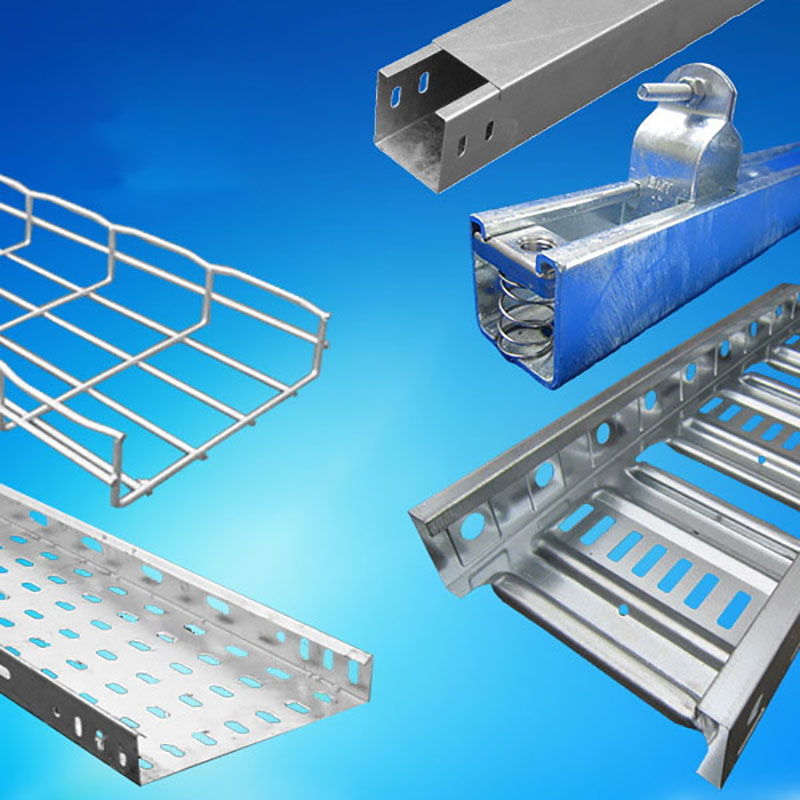
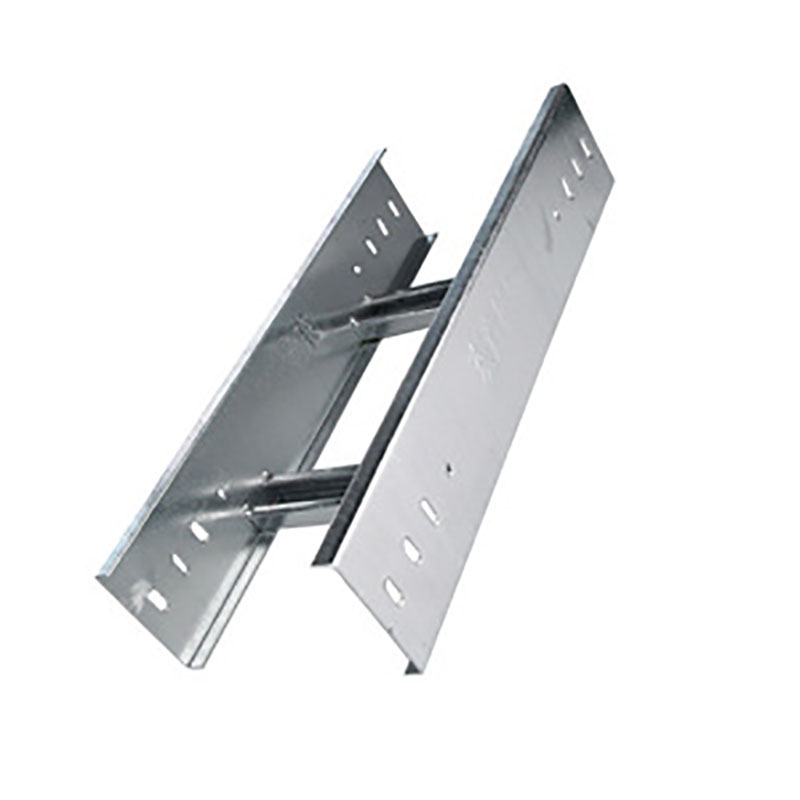
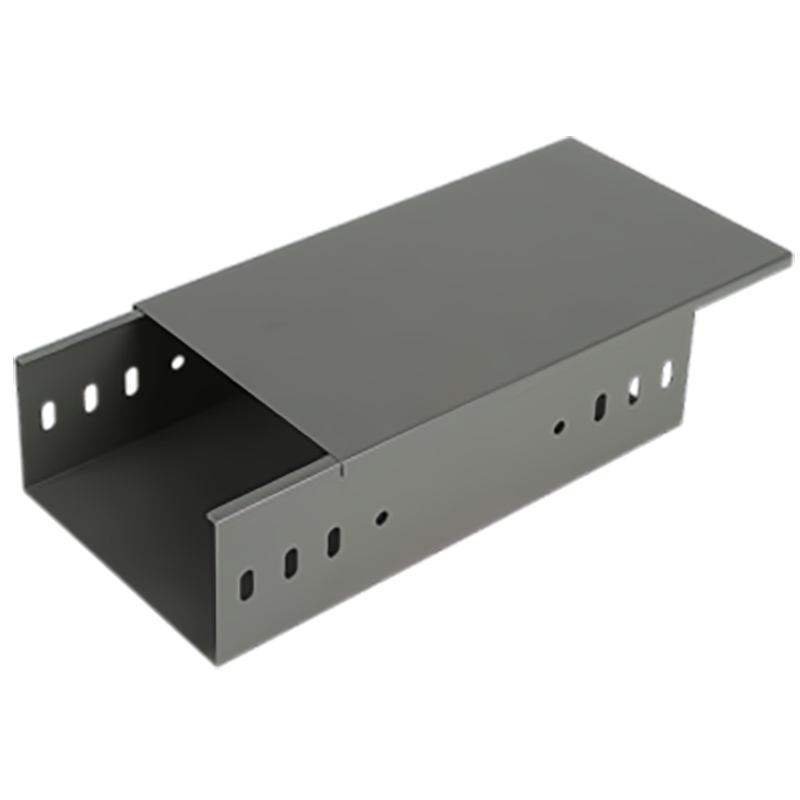
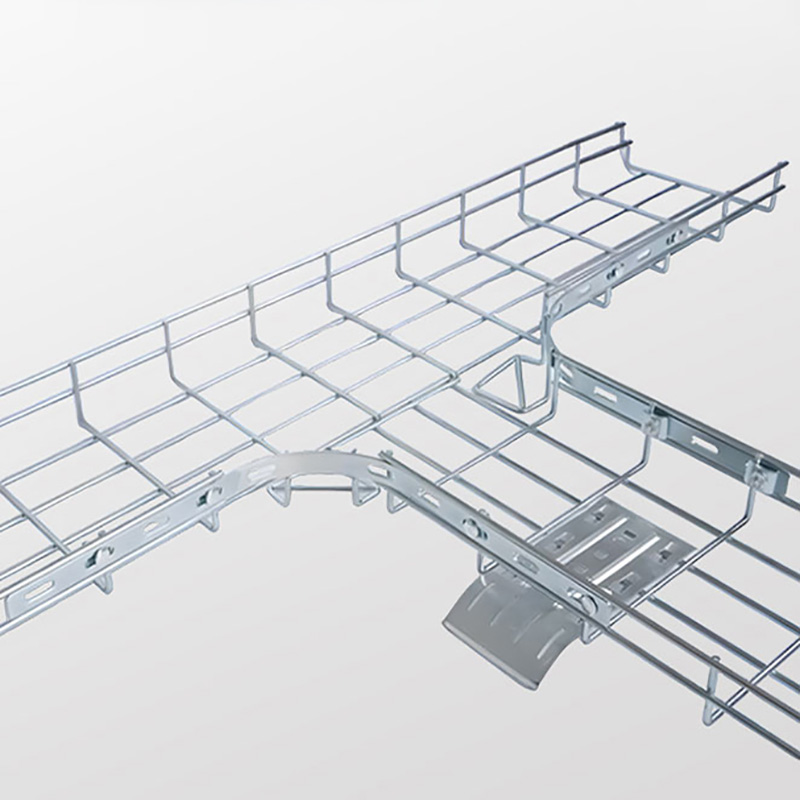
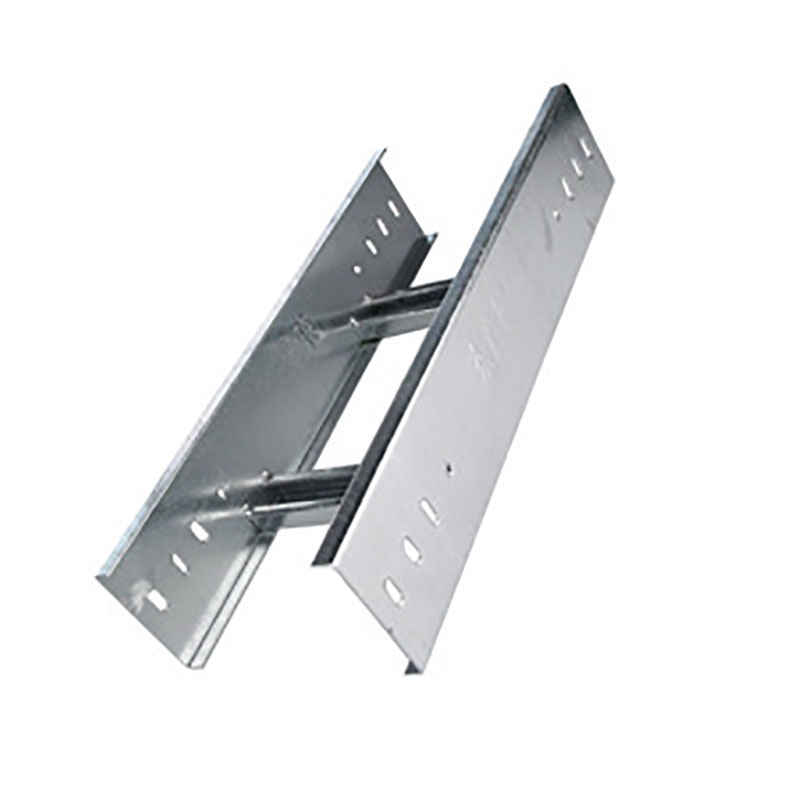
1. A Cable Tray is a structural system used to securely support and organize electrical cables and wires.
2. It provides a safe and accessible pathway for cables, preventing tangling and damage while allowing for easy maintenance.
3. Commonly made of metal or fiberglass, cable trays are widely used in commercial, industrial, and data center installations.
Max. Working Load :
material, Depends on the wire diameterFinish :
Galvanized Steel/HDG/Powder Coating/Aluminum/SS304/316Material :
Aluminum or steelApplication :
Network, Industrial, Managing Cables,Cable Laying,Cable WiringType :
cable tray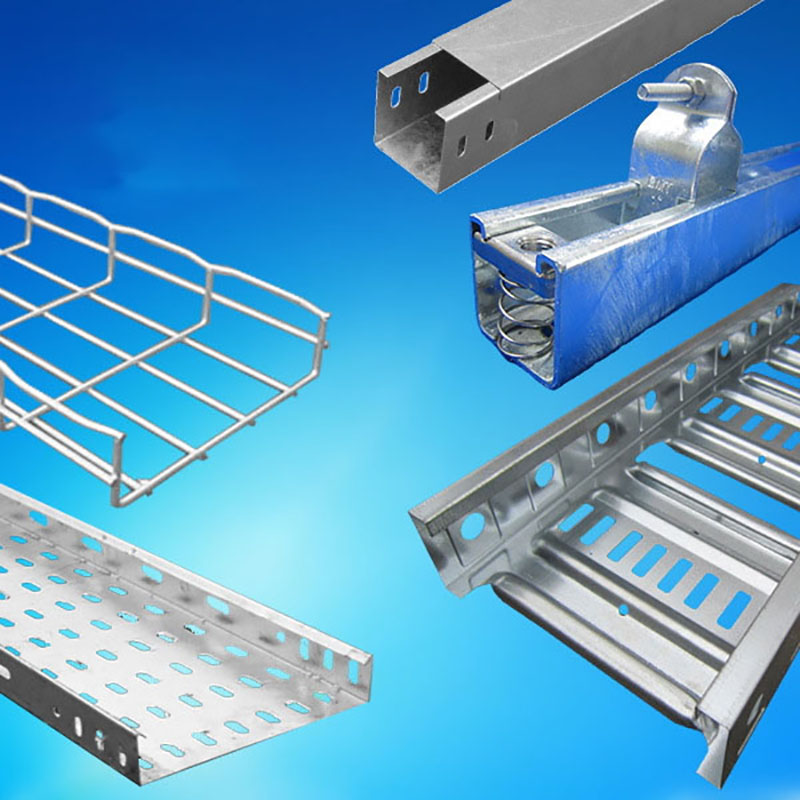
Company Profile
Product Advantages
Five Key Advantages of Cable Tray:
1.Superior Accessibility and Ease of Maintenance:
Unlike conduit systems where cables are enclosed and pulled through pipes, cable trays provide an open or ventilated pathway. This allows for effortless visual inspection, quick identification of specific cables, and easy addition, removal, or replacement of cables without disrupting the entire run. This drastically reduces downtime and labor costs for system upgrades or repairs.
2.Enhanced Heat Dissipation and Cable Performance:
The open design of ladder-type or ventilated trough cable trays allows for excellent air circulation around the cables. This natural ventilation effectively dissipates the heat generated by energized conductors, preventing overheating. This thermal management extends cable lifespan, maintains optimal electrical performance, and reduces the risk of thermal-related failures, which is critical for power-intensive and data center applications.
3.Exceptional Flexibility and Scalability for Future Growth:
Cable tray systems are inherently designed to accommodate change. They easily support future expansion by allowing new cables to be laid directly into the tray alongside existing ones. There is no need for complex calculations of conduit fill capacity or the installation of entirely new pipe runs for additional circuits. This "future-proofing" makes them an ideal and cost-effective choice for dynamic environments where technological needs evolve.
4.Cost-Effectiveness in Installation (Material and Labor):
The installation process for cable trays is generally faster and requires less labor compared to rigid conduit systems. There is no need for bending pipes, pulling wires through tight spaces, or dealing with complex junction boxes for every direction change. Cables can be placed directly into the tray in a continuous run. This efficiency translates into significant savings on installation time and overall project costs.
5.Structural Strength and Support for Heavy Cable Loads:
Engineered from robust materials like galvanized steel, stainless steel, or aluminum, cable trays provide strong mechanical support for large volumes of heavy power cables over long spans. They are designed to bear significant weight and can be supported from ceilings, walls, or floors with appropriate fittings. This structural integrity ensures a safe, reliable, and organized cable pathway that protects cables from sagging and physical damage.
 a
a
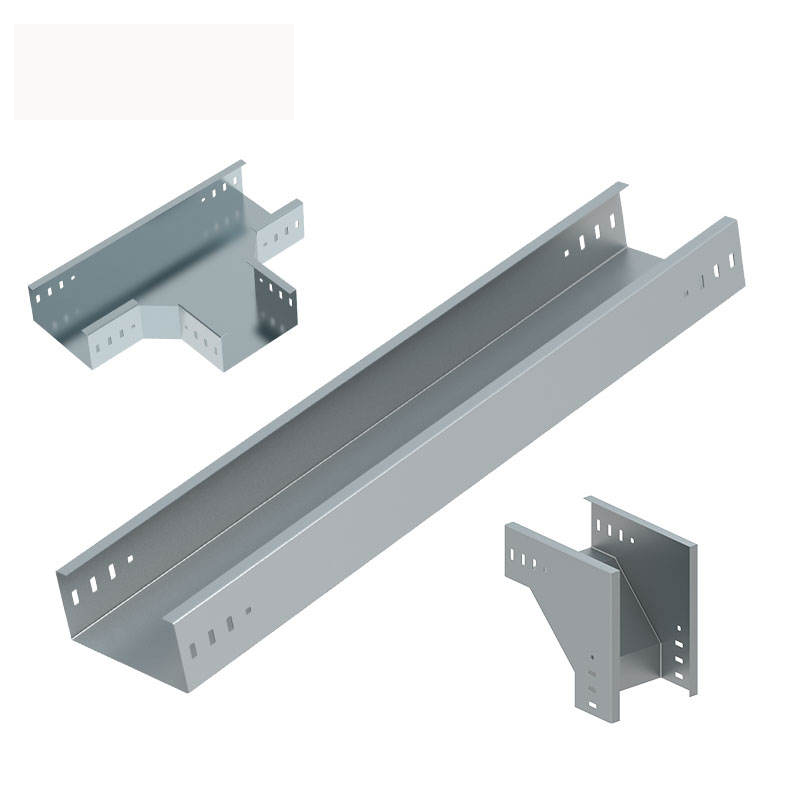
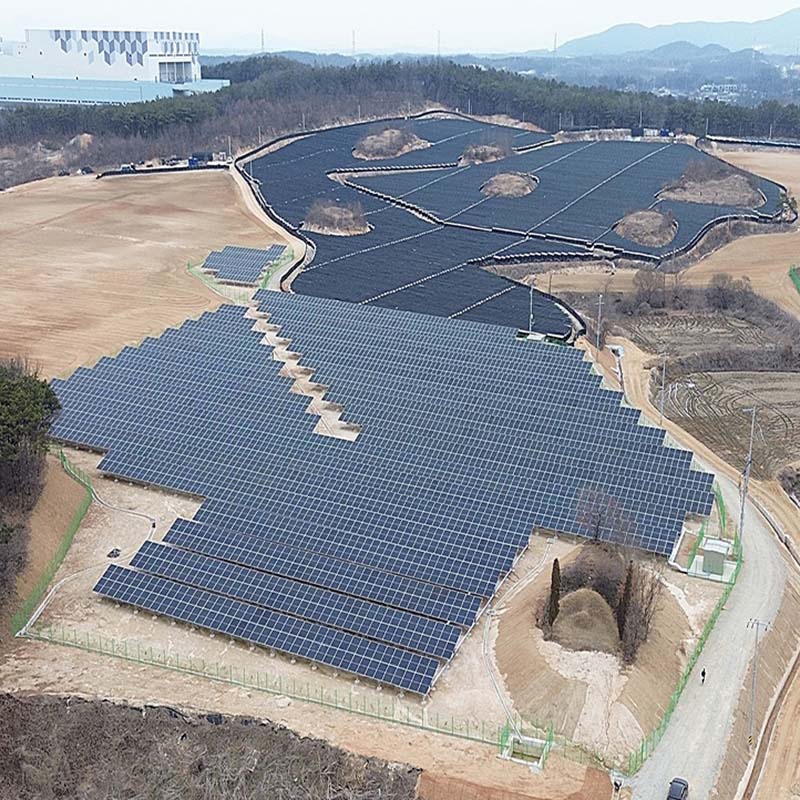
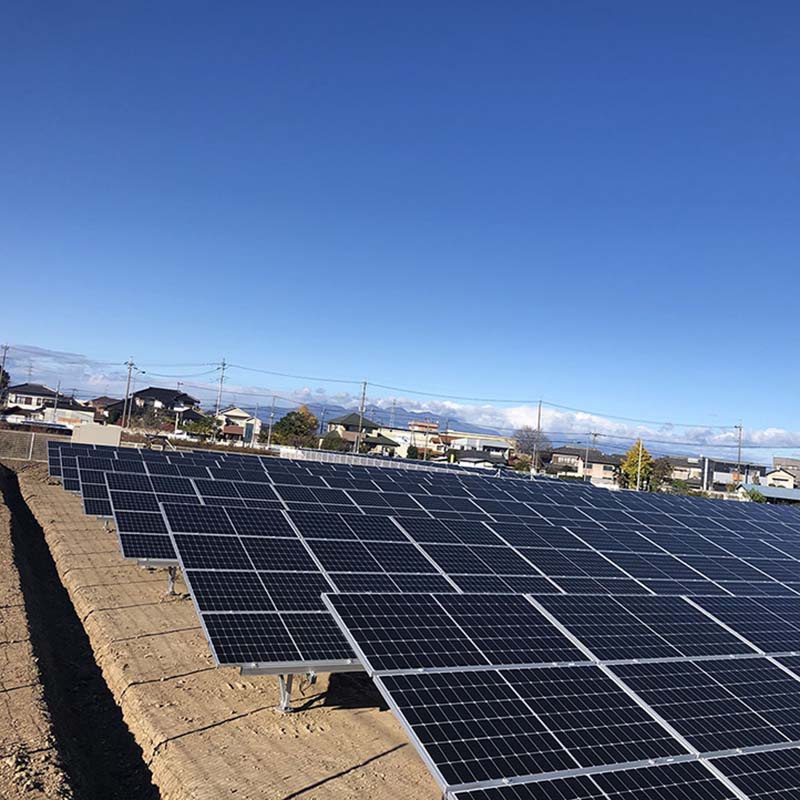
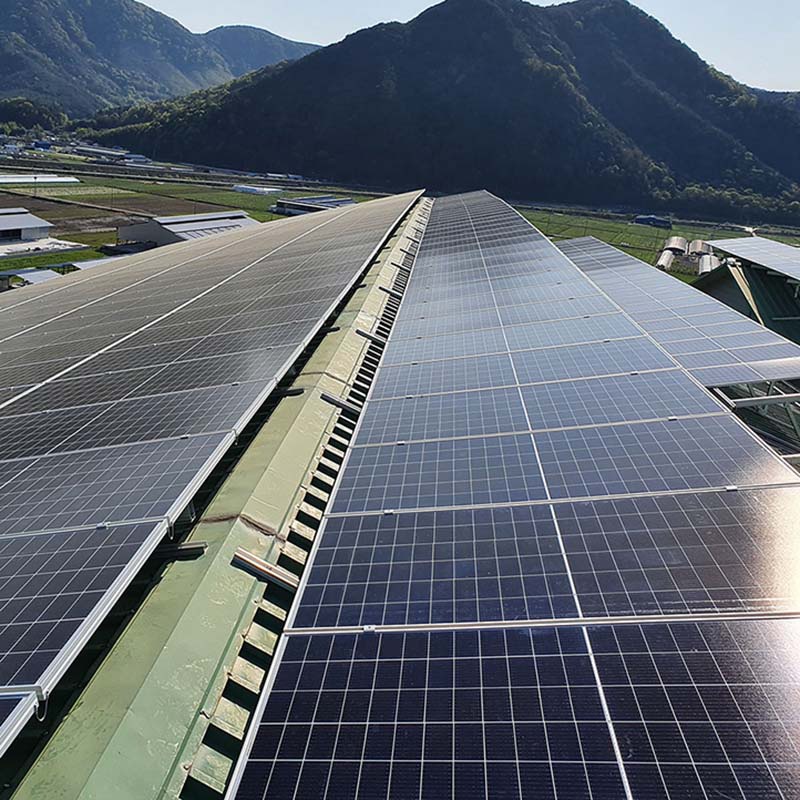
Solar Cable Trays are specialized support systems designed to safely organize and protect wiring in photovoltaic installations. They offer durable, weather-resistant management for solar panel electrical connections.
Details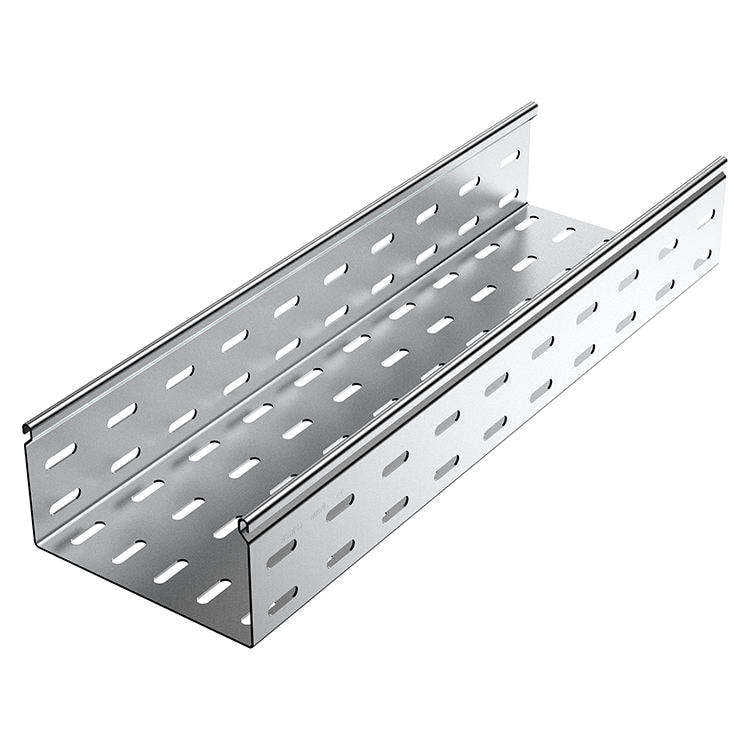
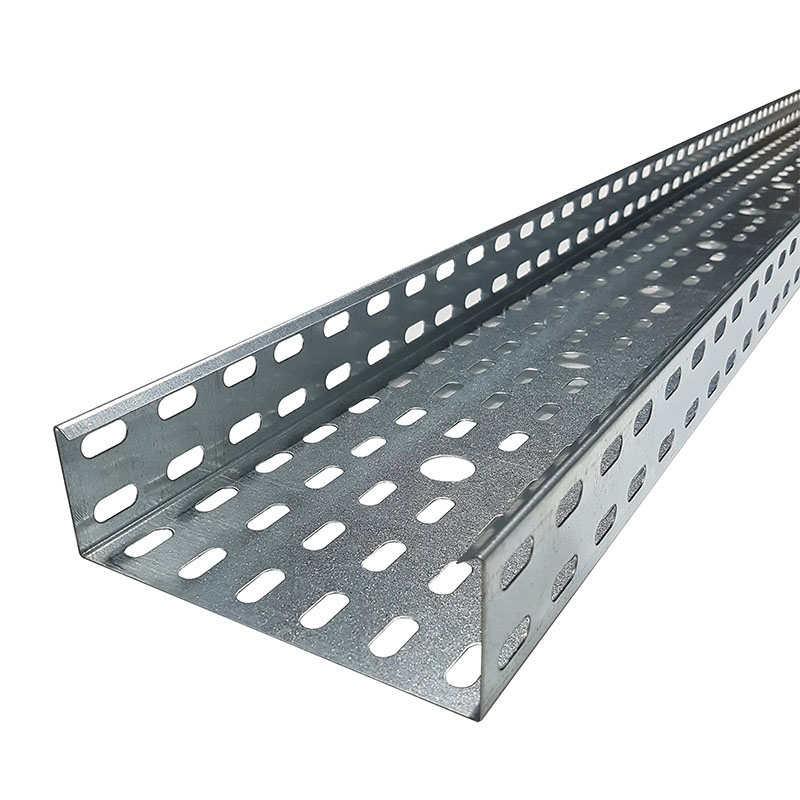
A Cable Tray is an open support structure, similar to a ladder or trough, used to securely hold and organize electrical cables and wires in buildings or industrial facilities. It provides a protected pathway for power, data, and communication cables, allowing for easy installation, maintenance, and future expansion. Unlike enclosed conduits, cable trays offer superior ventilation and heat dissipation for the cables. Common types include ladder, solid-bottom, and wire mesh trays. They are essential for safe, efficient, and tidy cable management in commercial and industrial settings.
Details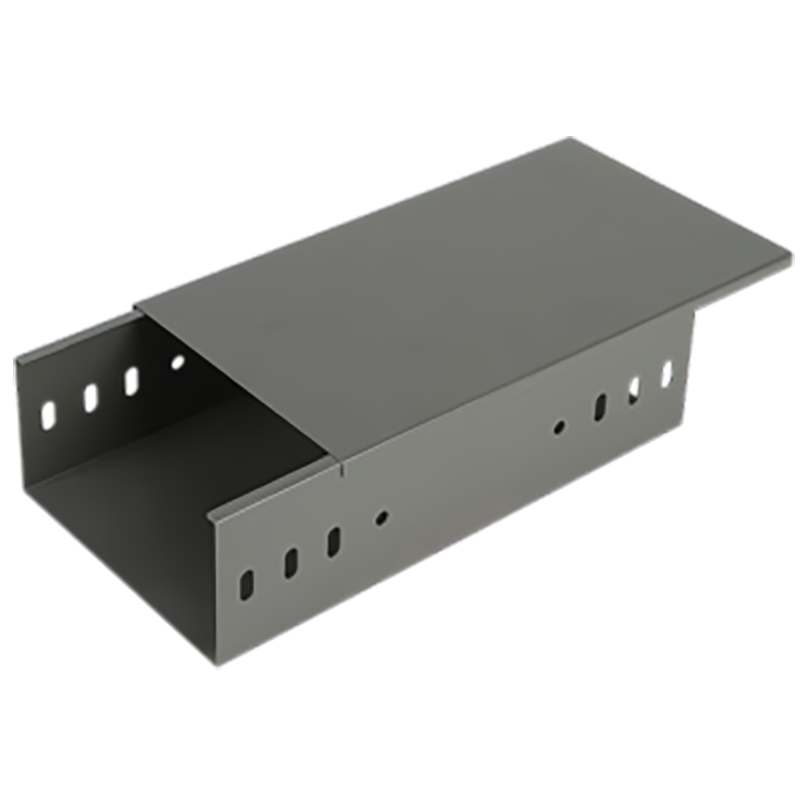
1.Balanced Protection & Ventilation - Fireproof Perforated Cable TrunkingFireproof perforated cable trunking provides certified fire and smoke containment for critical circuits while its perforated design allows for necessary heat dissipation and flexibility in protected cable routing. combines a fully enclosed, fire-rated body with perforations, offering certified fire and smoke containment while allowing controlled heat dissipation from critical cables. 2.Compliant & Adaptable Safety Solution - It meets strict fire safety codes for compartmentalization, making it ideal for protecting life-safety circuits in walls, ceilings, and risers where limited airflow is needed. 3.Integrated & Durable Pathway - The trunking provides a secure, organized, and mechanically protected raceway that shields cables from environmental damage while maintaining essential fire integrity.
Details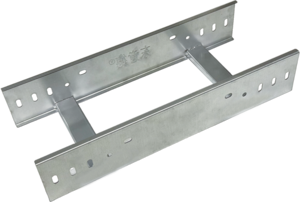
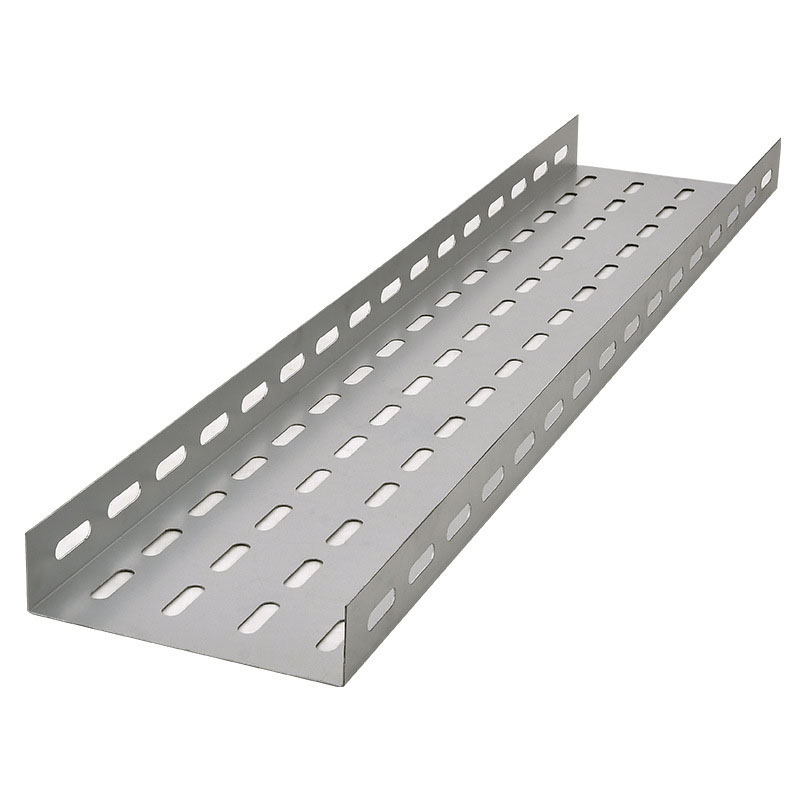
1. Cable Ladder Tray feature a distinct ridge along their center for enhanced rigidity. 2. They are commonly used for supporting power and communication cables in industrial settings. 3. Their design allows for efficient heat dissipation and easier cable installation.
Details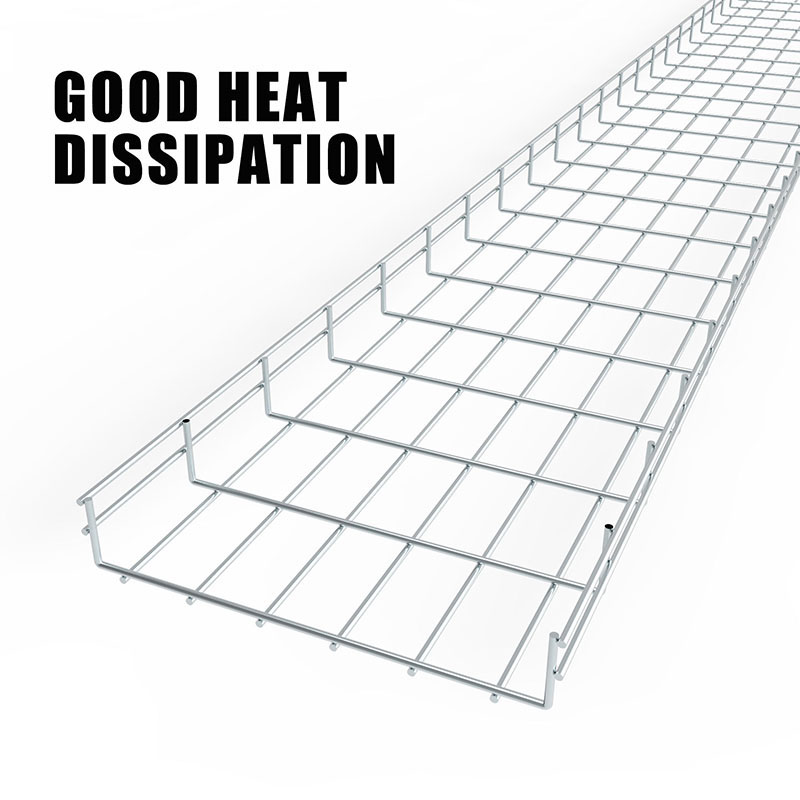
1.Cable tray systems, also known as cable grid mounting structures, are innovative solutions for supporting solar panels in large-scale ground-mounted PV plants. 2.This design utilizes a network of pre-tensioned steel cables strung between fixed posts to create a flexible and lightweight support matrix. 3.Compared to traditional rigid structures, it offers advantages like reduced material usage, faster installation, adaptability to uneven terrain, and lower overall costs.
Details
1. A Cable Tray is a structural system used to securely support and organize electrical cables and wires. 2. It provides a safe and accessible pathway for cables, preventing tangling and damage while allowing for easy maintenance. 3. Commonly made of metal or fiberglass, cable trays are widely used in commercial, industrial, and data center installations.
DetailsSignup our newsletter to get update information, promotion and insight.


 IPv6 network supported