Home

Blog

Blog

  • Solar Roof Rail + L‑Feet System: The Smart Choice for 2026 Installers
    Solar Roof Rail + L‑Feet System: The Smart Choice for 2026 Installers
    Jul 31, 2026
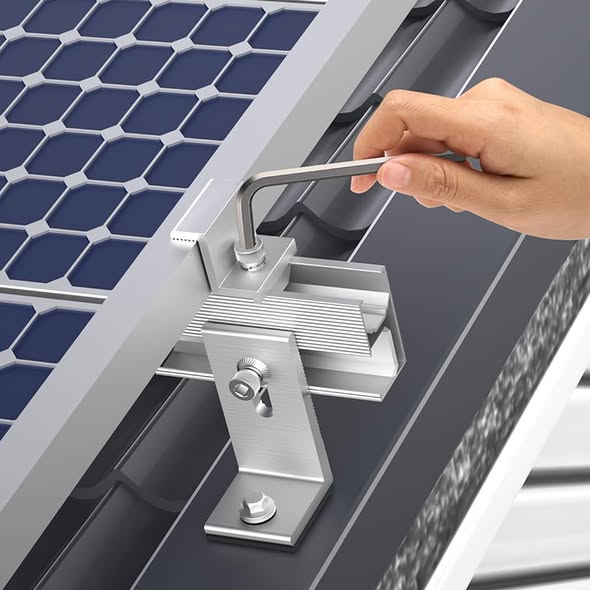
    Why the L‑foot + rail combo? It’s faster, more waterproof, and holds your panels for 25+ years. Here’s why this PV mounting system is replacing traditional hooks. What It Is Solar L‑Foot + Aluminium Rail = a complete rooftop solar mounting solution. L‑Foot: L‑shaped aluminium bracket, bolts directly to rafters. Built‑in EPDM gasket – one screw per foot. Rail: The aluminium channel that carries your solar panels. Provides the structural backbone. You’ll often see terms like PV mounting rails, aluminium solar panel mounting rails, and solar racking system – all referring to this core setup. Why Installers Love It (4 Key Benefits) 1. Superior WaterproofingTraditional hooks need 2–4 screws per point. L‑foot needs just one. The factory‑fitted EPDM pad seals better than hand‑cut flashing. Many brands offer 10‑ to 25‑year leak warranties. 2. 35% Faster InstallationNo hook‑slot measuring, no lead‑sheet cutting. One person fixes L‑feet, another snaps on rails. Lower labour, more jobs per quarter. 3. Sliding AdjustabilityTraditional hooks lock the rail position. Miss by 2 cm? Redrill. With L‑feet, the rail slides forward/backward before tightening – saves hours and prevents unnecessary roof penetrations. 4. Works on All Roof Types Asphalt shingles – direct mount, tuck gasket under shingle Clay/concrete tiles – lift tile, screw to decking, replace tile Standing seam metal – clamp adapter, zero penetrations Corrugated/trapezoidal metal – self‑tapping screws with sealing washers One L‑foot bracket system covers them all. Installation in 4 Steps Mark L‑foot positions on the roof. Secure L‑feet – with flashing for shingles, self‑tappers for metal. Slide aluminium rails onto the L‑feet (D‑nut fits into rail groove). Clamp panels using end and mid clamps, then install grounding. What to Look For Always check for UL 2703 certification – it covers mounting devices, clamps, and ground lugs. Also look for Class A Fire Rating; this simplifies permitting and insurance. Market Snapshot The global solar mounting market is over $30 billion in 2026 and growing fast. With distributed residential PV booming, waterproofing and installation speed are top priorities – exactly what the L‑foot + rail system delivers. Bottom Line Solar roof rail + L‑feet = fewer penetrations, faster installs, less stress on your roof, and proven reliability. Whether you’re an installer, contractor, or homeowner – this system gives you the peace of mind you need. Ready for a quote or sample? Contact us today for a custom solution tailored to your roof type.
    Read More
  • Flat Roof Solar Mounting Systems: Engineered Solutions for Reliable, High-Yield Solar Installation
    Flat Roof Solar Mounting Systems: Engineered Solutions for Reliable, High-Yield Solar Installation
    Jul 23, 2026
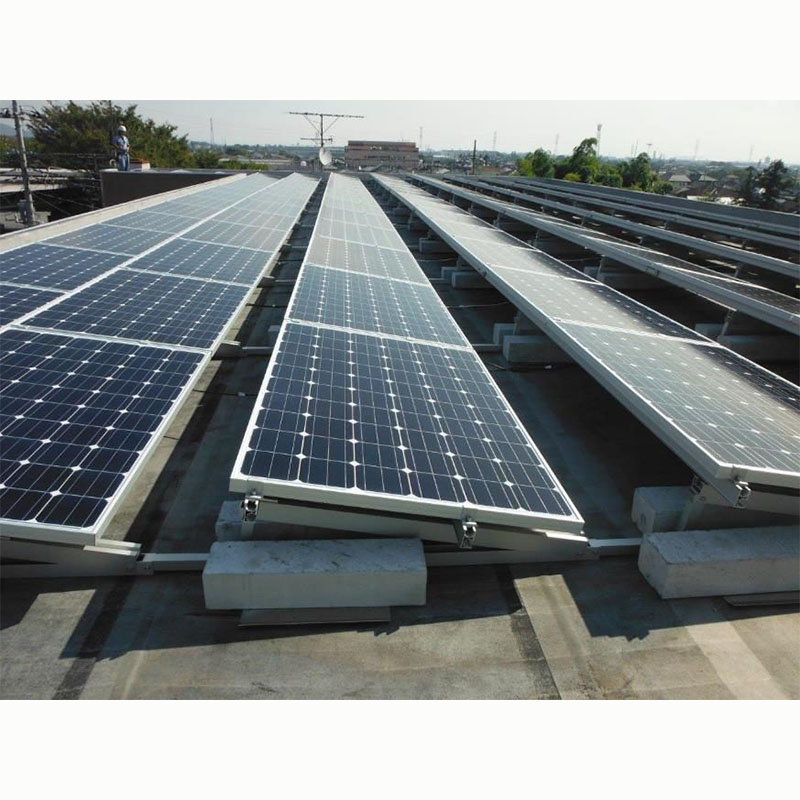
    If you own a commercial building, warehouse, or residential property with a flat roof, you may have wondered whether solar panels are an accessible option. The answer is a definitive yes.  A flat-roof photovoltaic installation consists of panels affixed to a roof surface with negligible or zero pitch. Flat-roof terms typically refers to a low slope of less than 10 degrees — just enough to allow for basic water drainage. Because flat roofs lack the natural angle, they require specialized mounting equipment to tilt the panels toward the sun for optimal energy capture. In many cases, flat roofs are actually better suited for solar installations than their sloped counterparts. With the right design and equipment, flat roofs can support higher solar performance that often deliver 10–15% higher energy yields than sloped roof systems at comparable locations.   What Are Our Flat Roof Mounting Systems? These are specialized structural systems that lift and angle solar panels on flat rooftops. All systems comply with EN 1990, EN 1991, AS/NZS 1170 and DIN EN 1991 standards, and carry CE certification. We build them with high-strength AL6005-T5 anodized aluminum and premium stainless steel hardware. They are rated for wind loads up to 80 m/s and snow loads up to 150 cm, backed by a 10-year warranty. We offer three core configurations to match different project needs: 1. Ballasted Roof Mounting System—9SunSolar As the mainstream drill-free option for commercial and industrial concrete flat roofs, this system relies on ballast blocks for fixation without penetrating the roof waterproof layer, which fully protects the original roof warranty and removes hidden leak risks. It adopts highly pre-assembled modular parts to cut installation time and labor costs. It is also built with anti-corrosion AL6005-T5 aluminum and stainless steel hardware to resist wind loads up to 80m/s and snow loads up to 150cm, supports single-side and double-side layouts, and can be fitted with optional wind deflectors to reduce wind uplift and lower total roof bearing weight and material expenses.       2. Adjustable Leg Mounting System—9SunSolar   This mechanically anchored solution with expansion bolts for concrete roofs features fully adjustable front and rear legs to calibrate the optimal panel tilt angle matching local latitude for 10–15% higher power output than sloped roof systems, its rigid triangular aluminum structure delivers outstanding wind and snow resistance for long-term safe operation, pre-assembled core brackets simplify on-site assembly and speed up project delivery, and it fits almost all flat and low-slope concrete rooftops with strong universal adaptability.      3. Tripod Roof Mounting System—9SunSolar   This lightweight non-penetrating tripod rack requires no roof drilling to avoid leaks and retain roof warranty, supports a wide tilt range of 0°–60° to lift power generation compared with flat panel laying, features fully pre-assembled components for ultra-fast installation and lower overall project costs, owns non-fixed layout design to allow easy reconfiguration or array expansion later as power demands change, and uses weather-proof anodized aluminum with stainless fittings covered by a 10-year full product warranty.    Why Choose Our Flat Roof Mounting Solutions? There are five reasons for your reference. 1. Higher energy yield Sloped roofs lock panels into a fixed angle and orientation. Flat roofs do not. You can align panels due south, and set the optimal tilt — typically 10–30°, calibrated to your local latitude. This flexible positioning delivers 10–15% more energy generation than comparable sloped-roof installations. A minimum 10° tilt also supports natural rain cleaning and proper water runoff. It preserves panel efficiency, and keeps your panel manufacturer’s warranty valid. 2. Zero roof damage, full waterproof protection Our ballasted and tripod systems use a 100% penetration-free design. We never drill into your roof membrane. This preserves your roof’s waterproofing integrity and original warranty, and completely eliminates leak risks — a top priority for building owners. For the mechanically attached adjustable leg system, we provide professional-grade flashing and sealants for every anchor point, ensuring long-term watertight performance. 3. Fast installation, low labour cost All systems feature a modular, pre-assembled design. Core components like leg brackets are factory-assembled before shipping. This drastically cuts on-site assembly time and reduces labor costs. Installation is faster and safer. Routine maintenance, panel cleaning and inspections become easier over the system’s 25+ year service life. 4. Maximum space utilization Flat roofs offer continuous, unobstructed surface area. You can fit more panels than on sloped roofs with chimneys, vents or multi-directional slopes. This makes our systems ideal for high-energy commercial and industrial sites, maximizing on-site self-consumption and speeding up return on investment. 5. Durable build for extreme conditions AL6005-T5 aluminum with anodized surface finish resists corrosion. Stainless steel hardware adds long-term reliability. The robust structure is engineered to withstand high wind uplift and heavy snow loads, meeting local building code requirements across diverse climate zones. How to Select the Right System for Your Project? Choose based on your roof structure, waterproof constraints and performance goals: 1. Pick the Ballasted System if roof penetration is prohibited and preserving your roof warranty is critical. It is the standard choice for large-scale commercial concrete flat roofs. Add optional wind deflectors to reduce total roof load. 2. Pick the Adjustable Leg System if maximizing energy yield with custom tilt angles is your priority. Its solid mechanical anchoring suits projects targeting peak solar performance. 3. Pick the Tripod System if you need fast deployment and flexible future expansion. Its reconfigurable design works perfectly for small and medium-sized projects. Our in-house engineering team provides full project support. We deliver custom load calculations, layout design and compliance guidance, all tailored to your local wind, snow and building code requirements. From system selection to after-sales service, we provide end-to-end solutions for your flat roof solar project. Important Considerations Before proceeding with a flat roof solar installation, keep these factors in mind:   1. Tilt is essential: Panels must never be installed flush against the roof surface. A minimum tilt of 10 degrees is required for energy production, drainage, and self-cleaning. Most manufacturers void warranties for flat installations without proper tilt.   2. Drainage: Elevated mounts must not obstruct water drainage. An improper layout can cause water pooling and lead to leaks.   3. Wind resistance: Flat roofs experience greater wind uplift forces, so wind-rated racking designed for flat roof solar arrays is essential.   4. Permitting: Check local building codes for required setbacks and firefighter access zones Conclusion You can absolutely install solar panels on a flat roof — and with the right flat roof mounting system, you may achieve better energy performance than a traditional sloped-roof installation. From flexible panel orientation and easier maintenance to the availability of non-penetrating ballasted systems that preserve your roof warranty, flat roofs offer numerous advantages for solar energy generation.   Whether you choose a ballasted system, a mechanically attached solution, or a rail-based framework with durable metal flat roof solar mounting components, the key is working with experienced professionals who can design a system tailored to your roof’s structural capacity, local climate conditions, and energy goals. With proper planning, your flat roof can become a powerful platform for clean, cost-saving solar energy.   Ready to explore solar for your flat roof? Contact our team today for a customized assessment and design proposal.      
    Read More
  • How to Maximize ROI on Agricultural Farmland Solar Mounting Systems
    How to Maximize ROI on Agricultural Farmland Solar Mounting Systems
    Jun 16, 2026
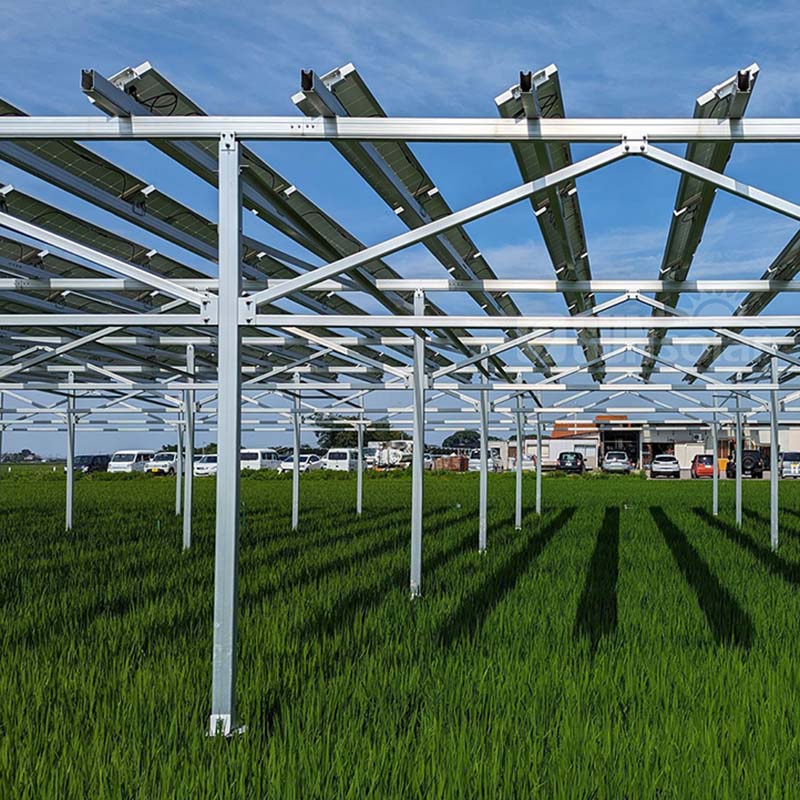
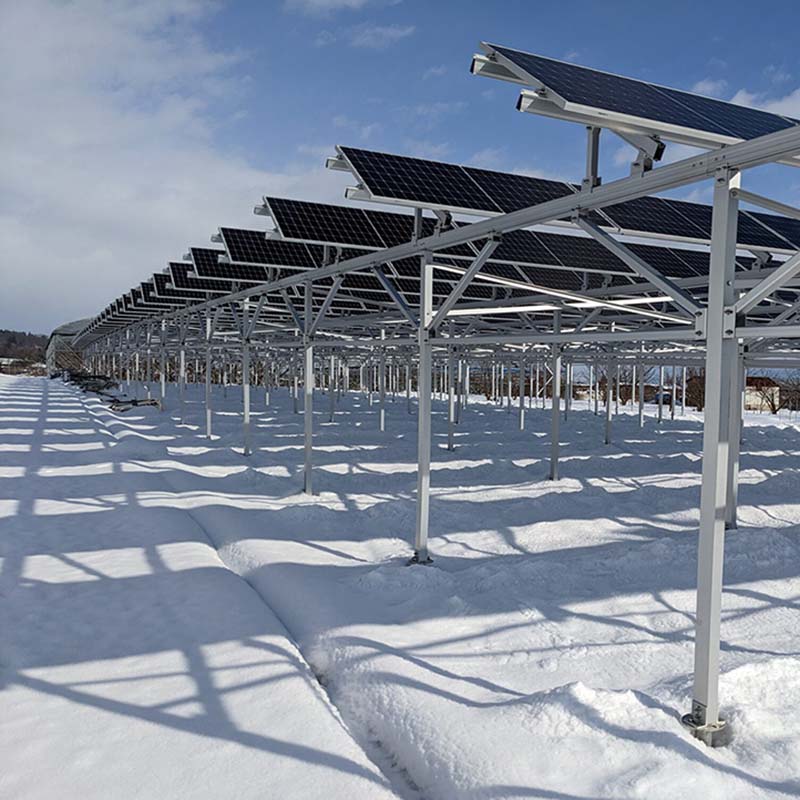
    The global solar farm market is expanding at a remarkable pace—from $140.94 billion in 2025 to $168.19 billion in 2026, a compound annual growth rate of 19.3%. At the same time, agrivoltaics—the practice of combining solar energy generation with agricultural production on the same land—has crossed a $5.5 billion global market in 2026. For farmers, landowners, and investors, agricultural solar mounting systems represent not just an energy investment, but a strategic land-asset decision. So how do you actually maximize ROI on farmland solar mounting systems in 2026? Here are the six key levers that separate profitable agrivoltaic projects from money-losing experiments. 1. Choose the Right Mounting System for Your Land Not all farm solar panels are created equal. The mounting structure you choose determines what you can grow, what equipment you can use, and ultimately, your bottom line. Here are the main system types in commercial operation today: Elevated Agrivoltaic Systems (3–5 meters): Panels installed at heights that allow large farm machinery—combine harvesters, tractors—to operate underneath. Best for cereal crops, corn, and broad-acre farming. Standard 2.1-Meter Rise Systems: The lowest-cost viable option that still allows tractor access and sheep grazing. In Germany's 15 MW Adorf project, cattle graze comfortably under panels mounted just over 2 meters high. Vertical Bifacial Systems: Panels installed vertically, facing east-west, occupying only about 2% of the land area while leaving 98% available for agriculture. Ideal for orchards and pasture in high-insolation regions. Ground-Level Agrivoltaics (1.1–1.5 meters): A newer, lower-cost approach using flexible block units rather than conventional rows. Structure costs run just €0.03–0.04/W—compared to €0.06/W for 2.1-meter systems and €0.09/W for 4-meter designs. Excellent for poultry and livestock operations where predator protection is a bonus. Solar Greenhouses: Panels mounted on greenhouse roofs, with crops growing underneath. A 1 MW system can generate both electricity revenue and premium crop income from high-value produce. The key decision point: Your choice depends entirely on what you grow, what machinery you use, and your local land-use regulations. Choose wrong, and you'll sacrifice either crop yield or energy output—or both. 2. Optimize Design Parameters: The Art of Light-Sharing The core challenge of dual-use solar is light-sharing—balancing crop light requirements against energy production. Here are the critical design parameters: Ground Coverage Ratio (GCR): Standard solar farms run at 0.5–0.6 GCR. Agrivoltaic systems need to drop to 0.2–0.3, with row spacing of 8–12 meters to leave room for crops and machinery. Yes, you sacrifice some capacity—but you keep your agricultural income stream. Panel Height: According to Fraunhofer ISE research, 5-meter elevated agrivoltaic systems generate about 75% of the electricity per unit area compared to dense ground-mount systems. But higher panels mean more light transmission and better airflow for crops. Bifacial Modules: Pairing bifacial solar panels with optimized racking captures reflected light from the ground below. Yield gains of 15–25% over monofacial panels are now common, and bifacial module costs have fallen 25–30% since 2024. Glass-glass modules also degrade at just 0.3–0.5% annually versus 0.7% for conventional panels—stretching your revenue horizon. Tracking Systems: Single-axis trackers can increase energy production by 25–35% compared to fixed mounts. While tracking adds $0.15–$0.35 per watt to project costs (a 10–20% premium at utility scale), the revenue upside often justifies it. According to analysis by the Institute of Energy Economics at the University of Cologne, tracker systems achieved a 43% higher market value than fixed south-facing installations. Even better: tracker-based agrivoltaic systems allow 60–80% of land to remain in agricultural use. 3. Crunch the Numbers: Real Costs and Returns in 2026 Agricultural solar mounting systems cost more than standard ground-mount—but the returns are also higher. Cost Breakdown Installed costs for agrivoltaic systems run $1.50 to $2.33 per watt—20 to 50 percent above standard ground-mount. The premium comes from: Elevated mounting structures (+15–25% capex versus ground-mount solar) Wider row spacing (reduces panel density) Foundations and engineering for agricultural compatibility For a 1 MW agrivoltaic system, you're looking at roughly €40,000–60,000 per year in electricity revenue, plus whatever crop income you generate. Revenue Streams—Diversify or Die Electricity Sales: Power Purchase Agreements (PPAs) for projects commissioned in early 2026 currently range between €63 and €70/MWh. Feed-in tariffs in major markets provide guaranteed cash flows that offset the 15–20% capital premium. Crop Income: Shade-tolerant crops—lettuce, berries, peppers, herbs—often maintain or even increase yield under partial shading, especially in hot climates where panels reduce heat stress and water evaporation. Land Lease: If you're not operating the system yourself, land lease rates for agrivoltaic projects reach €800 to €2,500 per hectare per year in Europe and $700 to $1,400 per acre in the US. Solar developers typically sign 25- to 40-year leases at $1,000 to $3,000 per acre annually. Sheep Grazing: The "solar sheep" model is proving highly profitable. Researchers at Western University found that optimized agrivoltaic sheep grazing models can reach an ROI of up to 43%. The animals graze under panels, saving feed costs and eliminating mechanical mowing. Carbon Credits: Emerging carbon markets are beginning to recognize agrivoltaic projects for their dual emissions-reduction and land-preservation benefits. Real-World ROI Examples Germany: Diversified annual profits of €15,000–235,000 depending on farm scale Malaysia (oyster mushroom cultivation) : Agrivoltaic systems delivered 42.13% higher annualized ROI and 13 months earlier payback compared to conventional PV plants Ontario sheep grazing: Optimized auction models reached 43% ROI General agrivoltaic: Land productivity increases by 60–70% compared to single-use agriculture or solar alone The economics are clear: the dual revenue streams from crops and electricity now warrant a 15–25% capital premium over conventional solar. 4. Pick the Right Crops—Not All Plants Like Shade Not every crop belongs under solar farm panels. Here's what the research shows: High-Compatibility Crops (yield stable or improves): Lettuce, berries, peppers, herbs, tomatoes Shade-tolerant vegetables that benefit from reduced heat stress and water evaporation Oyster mushrooms (42%+ ROI improvement documented) Medium-Compatibility Crops (need elevated panels, low GCR): Cereals and grains—yield drops unless panel density is below 0.20 GCR Rice—a Jiangsu pilot showed only 3.2% yield drop, but electricity + brand premium lifted per-acre income 11% High-Value Applications: Tea plantations (PV-integrated tea fields being researched by USDA) High-value berries and lettuce where tracker systems are already deployed The principle: Don't design for "maximum power." Design for "maximum crop yield within acceptable power generation." In 2026, leading farms are moving toward spectrum-adapted crop portfolios—matching crop selection to the specific light transmission characteristics of their panels. 5. Leverage Policy Incentives—They're Worth Real Money 2026 is the year agrivoltaics policy goes mainstream. Solar farm incentives are proliferating globally: Europe Italy's Agrisolare: €1.5 billion allocated for farm solar Germany's KfW: Below-market-rate loans for agricultural solar France: Specific agrivoltaics legislation with a 450 MW cooperative project driven by 35 growers UK Smart Export Guarantee: Export payments for farm-scale solar generation Germany's DIN SPEC 91434: The first dedicated agrivoltaics standard Asia-Pacific Japan: 6,100+ agrivoltaic sites; 2040 renewables roadmap prioritizes agrivoltaic capacity India's PM-KUSUM: Targets 10,000 MW of decentralized solar plants on agricultural land; a dedicated 10 GW agri-PV component is planned China: 500+ commercial-scale projects integrating aquaculture, field crops, and livestock North America US: 600+ agrivoltaic projects documented by the National Lab InSPIRE team Colorado: Agrivoltaics Research and Demonstration Grant program for FY 2026–27 Oregon: Agrivoltaics Task Force established to study solar siting on agricultural lands New Jersey: Solar Renewable Energy Certificate program targeting 3,750 MW by 2026 Critical alert: The US House-passed farm bill contains provisions that would restrict USDA financial assistance for certain ground-mounted solar projects on agricultural land. However, the bill includes exceptions for projects converting less than 5 acres—or less than 50 acres if the majority of energy is used on-site. Know your local rules before you commit. 6. Avoid the Hidden Risks—What's in Your Contract? The agrivoltaic sector is maturing, and 2026 is seeing a surge in disputes over operations and maintenance (O&M) responsibilities. Here are three clauses that belong in every contract: ① Performance Guarantees: If panel degradation exceeds 0.45% annually, the supplier compensates you for the lost energy—in cash. ② Structural Response: If mounting structures fail (e.g., a torn greenhouse film under panels), response within 2 hours, replacement within 48 hours. ③ System Downtime: If the smart control system goes down for more than 2 hours, the operator pays 200% of the daily crop value lost. One Shandong project lost three pepper planting cycles because a contract lacked clause #2—a storm shredded greenhouse film and finger-pointing dragged on for months. Conclusion: ROI in Agrivoltaics Is a Multiplier Game Agricultural farmland solar mounting systems aren't just about "bolting panels to the ground." They're a land-asset upgrade. The global agrivoltaics market is projected to grow from $15.25 billion in 2026 to $56.83 billion by 2031—a 30.1% CAGR. Europe's 2026 is the "scale-up year," when agrivoltaics shifts decisively from isolated pilots to investment-ready infrastructure. The farms that win in this space will be those that: Choose the right mounting system for their specific crops and machinery Optimize design parameters (height, GCR, tracking) for both crops and power Diversify revenue (electricity + crops + grazing + carbon) Pick crops that thrive under partial shade Stack every incentive they qualify for Write bulletproof contracts that protect against O&M disputes One piece of land. Two income streams. Farming continues, power is generated, and the ROI multiplies.  
    Read More

  • Solar Cables: Powering the Future of Renewable Energy
    Solar Cables: Powering the Future of Renewable Energy
    Jul 22, 2025
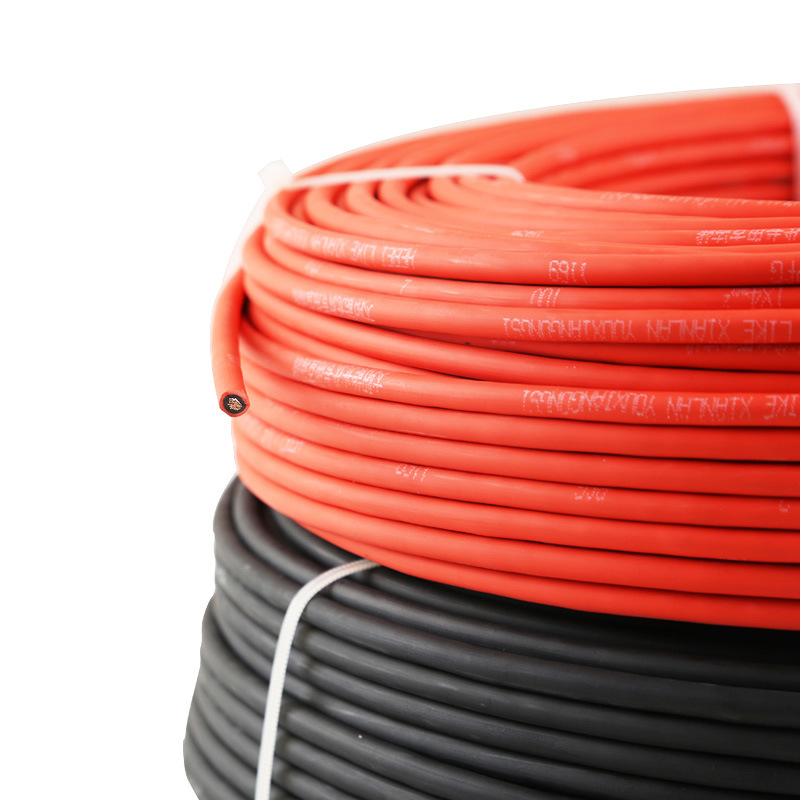
    In the rapidly expanding world of renewable energy, solar power stands out as a leading source of clean, sustainable electricity. Behind every efficient solar panel system, there’s a critical component that often goes unnoticed but plays a vital role in ensuring optimal performance: solar cables. These specialized cables are the lifelines of solar installations, responsible for transmitting the electricity generated by solar panels to inverters, batteries, and ultimately to the grid or end - use devices. Let’s delve into the world of solar cables, exploring their features, types, advantages, and common applications. ​ What Are Solar Cables?​ Solar cables, as the name suggests, are specifically designed to handle the unique demands of solar energy systems. Unlike standard electrical cables, they must withstand harsh environmental conditions, including extreme temperatures, ultraviolet (UV) radiation, moisture, and chemical exposure. Made from high - quality materials, solar cables are engineered to be durable, flexible, and resistant to aging, ensuring long - term reliability in outdoor and often remote locations.​ The core function of solar cables is to carry direct current (DC) electricity generated by solar panels. Since solar panels produce DC power, which is then converted to alternating current (AC) by inverters for use in homes and businesses, the cables need to efficiently transmit DC electricity without significant power loss. ​ Types of Solar Cables​ Solar cables can be categorized based on their use in different parts of a solar power system. The two main types are:​ 1.PV (Photovoltaic) Module Cables: These cables connect individual solar panels to each other, forming strings or arrays. They are typically smaller in diameter and are designed to handle the low - voltage, high - current output of individual panels. PV module cables are often pre - attached to solar panels at the factory, with connectors (such as MC4 connectors) that allow for easy and secure interconnection.​ 2.DC Link Cables: These cables are used to connect the solar panel arrays to the inverter. They carry the combined DC power from multiple panels, so they are larger in diameter and capable of handling higher currents than PV module cables. DC link cables are usually installed in conduits or trenched underground to protect them from external damage.​ In addition to these, there are also AC cables used in solar systems, which transmit the AC power from the inverter to the electrical panel or grid. While not strictly "solar cables," they are an important part of the overall system and must be compatible with the inverter and local electrical codes. ​ Advantages of Solar Cables​ Solar cables offer several key advantages that make them essential for solar power systems:​ 1.Weather Resistance: They are built to withstand extreme temperatures, from freezing cold to scorching heat, as well as UV radiation, rain, snow, and humidity. This ensures they can operate reliably in outdoor environments for many years.​ 2.Durability: Solar cables are made from tough materials that are resistant to abrasion, chemicals, and mechanical stress. This makes them less likely to be damaged during installation or over time, reducing the need for frequent replacements.​ 3.Low Power Loss: The high - quality conductors in solar cables have low electrical resistance, minimizing power loss during transmission. This helps to maximize the efficiency of the solar power system, ensuring that more of the electricity generated by the panels is used or stored.​ 4.Flexibility: Despite their durability, solar cables are flexible, making them easy to install in tight spaces or around obstacles. This flexibility also helps to reduce the risk of damage during installation.​ 5.Long Lifespan: With proper installation and maintenance, solar cables can last for 25 years or more, matching the lifespan of most solar panels. This long lifespan ensures that the system remains cost - effective over time.​ Common Applications of Solar Cables​ Solar cables are used in a wide range of solar power installations, including:​ 1.Residential Solar Systems: In homes with rooftop solar panels, solar cables connect the panels to the inverter, which is usually located in the garage or basement. They are also used to connect the inverter to the home’s electrical panel, allowing the solar - generated electricity to power household appliances.​ 2.Commercial and Industrial Solar Installations: Large - scale solar arrays on commercial buildings, warehouses, and industrial facilities rely on solar cables to connect thousands of panels. These systems often require long runs of DC link cables to connect the arrays to central inverters.​ 3.Ground - Mounted Solar Farms: Utility - scale solar farms, which cover vast areas of land, use extensive networks of solar cables to connect the panels to inverters and transformers. The cables are often buried underground to save space and protect them from damage.​ 4.Portable Solar Systems: Smaller, portable solar devices such as solar chargers, camping solar kits, and RV solar systems also use solar cables to connect the panels to batteries or charging devices. These cables are usually lightweight and flexible for easy transport.​ Conclusion​ Solar cables may not be the most visible part of a solar power system, but they are undoubtedly one of the most important. Their ability to withstand harsh conditions, efficiently transmit power, and last for decades makes them essential for the success of any solar installation. As the demand for solar energy continues to grow, the role of high - quality solar cables in ensuring reliable and efficient power transmission will only become more crucial. Whether you’re installing a small residential system or a large - scale solar farm, choosing the right solar cables is a decision that will pay off in the long run.
    Read More
  • Solar Balcony Brackets:The Future of Urban Solar Energy
    Solar Balcony Brackets:The Future of Urban Solar Energy
    Jul 03, 2025
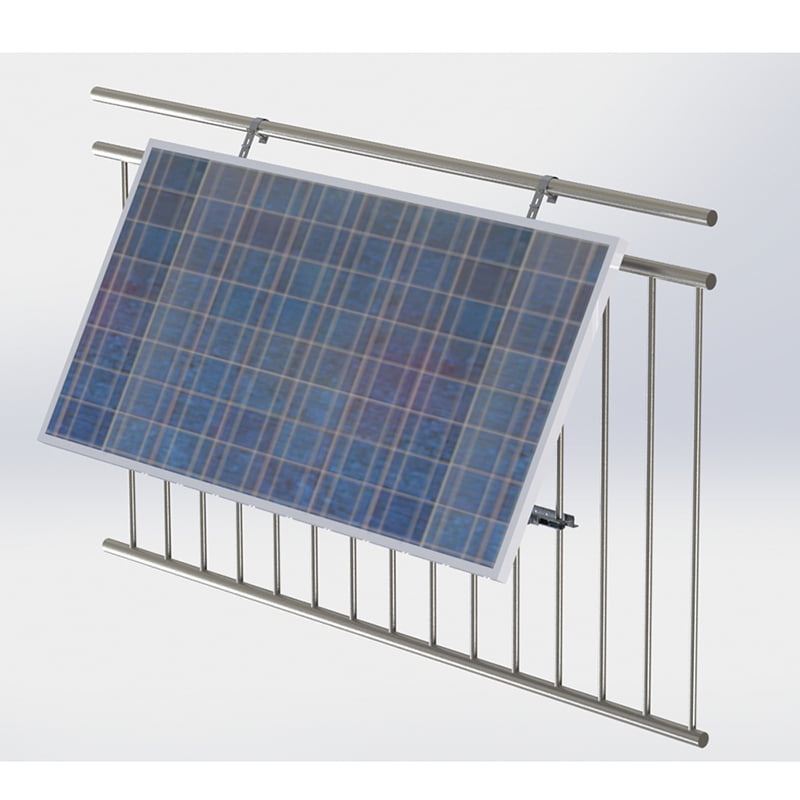
    In the quest for sustainable energy solutions, urban dwellers often face a common challenge: limited space for solar panel installations. Traditional rooftop solar systems may not be feasible for apartment residents or those with shaded roofs. Enter solar balcony brackets—an innovative and space-efficient way to harness solar power right from your balcony. What Are Solar Balcony Brackets? Solar balcony brackets are mounting systems designed to securely attach solar panels to balcony railings, walls, or overhangs. These brackets allow renters, condo owners, and urban residents to generate their own clean energy without needing a full rooftop setup. Key Benefits of Solar Balcony Brackets ✅ Space-Saving Design – Perfect for apartments, townhouses, and small balconies.✅ Easy Installation – No roof penetration or complex mounting required.✅ Portable & Adjustable – Many brackets allow for tilt adjustments to maximize sunlight exposure.✅ Cost-Effective – Lower installation costs compared to traditional solar setups.✅ Sustainable Living – Reduce your carbon footprint with renewable energy. How Do Solar Balcony Systems Work? A typical solar balcony setup includes: Solar Panels (usually lightweight, plug-and-play modules) Mounting Brackets (adjustable for optimal sun angle) Microinverters or Balcony Inverters (to convert DC power to AC) Connection to Home Grid or Battery Storage (for immediate use or energy storage) Some systems even allow direct plug-in to balcony outlets, feeding solar energy directly into your home’s circuit. Who Should Consider Solar Balcony Brackets? Apartment & condo residents who can’t install rooftop solar Renters looking for a temporary, removable solar solution Eco-conscious homeowners wanting to supplement their energy needs Urban gardeners powering small appliances or lighting Installation Tips Check local regulations and HOA rules before installing. Ensure the brackets are securely fastened to avoid wind damage. Optimize panel angle based on your location’s sun exposure. Consider plug-and-play solar kits for hassle-free setup. Final Thoughts Solar balcony brackets are revolutionizing urban solar adoption, making renewable energy accessible to more people. Whether you want to lower electricity bills, reduce reliance on the grid, or simply embrace green living, a balcony solar setup could be the perfect solution. Ready to harness the sun’s power from your balcony? Explore solar bracket options today!  
    Read More
  • Understanding Solar Ground Support Systems: Design Variations and Benefits
    Understanding Solar Ground Support Systems: Design Variations and Benefits
    Apr 23, 2025
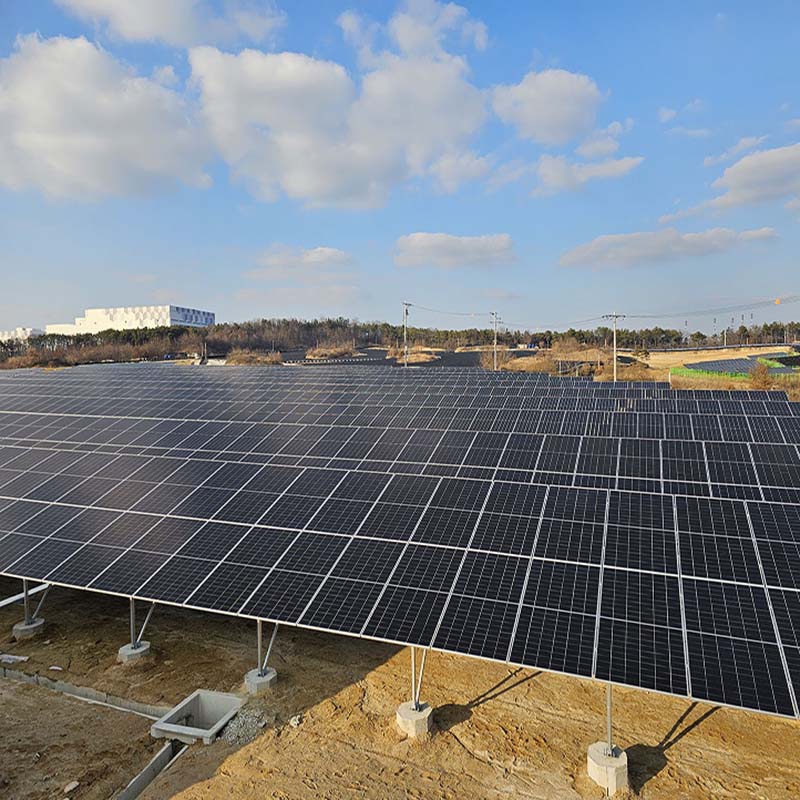
    Understanding Solar Ground Support Systems: Design Variations and Benefits Solar panel ground support structures provide a stable foundation for photovoltaic arrays, offering flexibility across diverse terrains and project requirements. Multiple mounting configurations exist, each tailored to specific performance, environmental, and budgetary needs. 1. Fixed-Angle Mounting Systems Design: Permanent tilt angle set according to geographic latitude. Key Benefits: Economical installation and operation. Minimal upkeep due to static components. Resilient against extreme weather. Preferred for utility-scale solar farms. 2. Manually Adjusted Seasonal Systems Design: Periodic angle modifications to align with shifting sun paths. Key Benefits: Moderately improved generation (5–15%) over fixed systems. Affordable upgrade from fixed mounts. Adaptable to seasonal solar position changes. 3. Single-Axis Solar Trackers Design: Automated east-to-west rotation tracking daily sun movement. Key Benefits: Significant output boost (20–30%) versus fixed arrays. Ideal for commercial and industrial installations. Enhanced power density per land area. 4. Dual-Axis Solar Trackers Design: Full sun-following capability across both daily and seasonal paths. Key Benefits: Maximum energy harvest (up to 40% gain). Essential for high-latitude regions. Perfect for precision applications like scientific facilities. 5. Elevated Pole Mounts Design: Raised panel arrays on vertical supports. Key Benefits: Minimal ground footprint on rough landscapes. Reduced vegetation interference. Compatibility with tracking mechanisms. 6. Non-Invasive Ballasted Platforms Design: Weight-secured bases eliminating ground disturbance. Key Benefits: Zero penetration for protected surfaces. Rapid deployment without foundations. Modular portability for temporary sites. Why Choose Ground-Based Solar Arrays? Superior Thermal Regulation: Natural cooling enhances performance. Precision Positioning: Unrestricted alignment optimization. Expandable Configurations: Simplified capacity increases. Accessible Servicing: Ground-level maintenance access. Avoiding Rooftop Limitations: Eliminates structural concerns. Large-Project Suitability: Optimal for utility-grade deployments. Selecting the Optimal System Project-specific factors—including financial parameters, site characteristics, energy objectives, and spatial constraints—determine the ideal solution. While fixed-angle systems offer budget-friendly reliability, tracking variants deliver peak productivity. Ballasted designs protect delicate sites, and pole mounts conquer challenging topography. Need guidance for your specific application? Consult our solar engineering specialists.    
    Read More
  • The Future of Parking: Aluminum Solar Carports That Power Your Life
    The Future of Parking: Aluminum Solar Carports That Power Your Life
    Apr 07, 2025
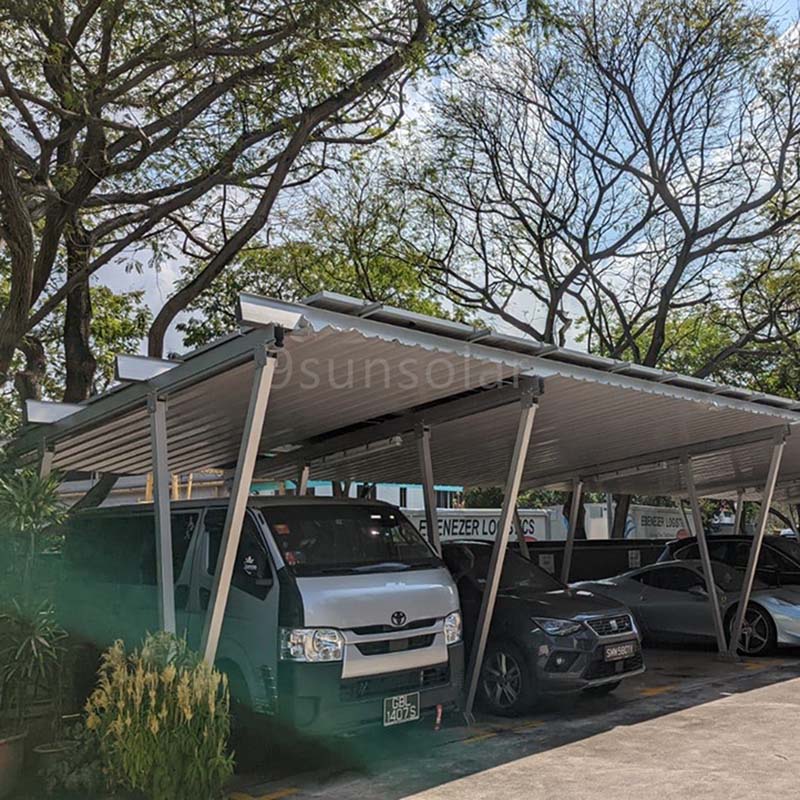
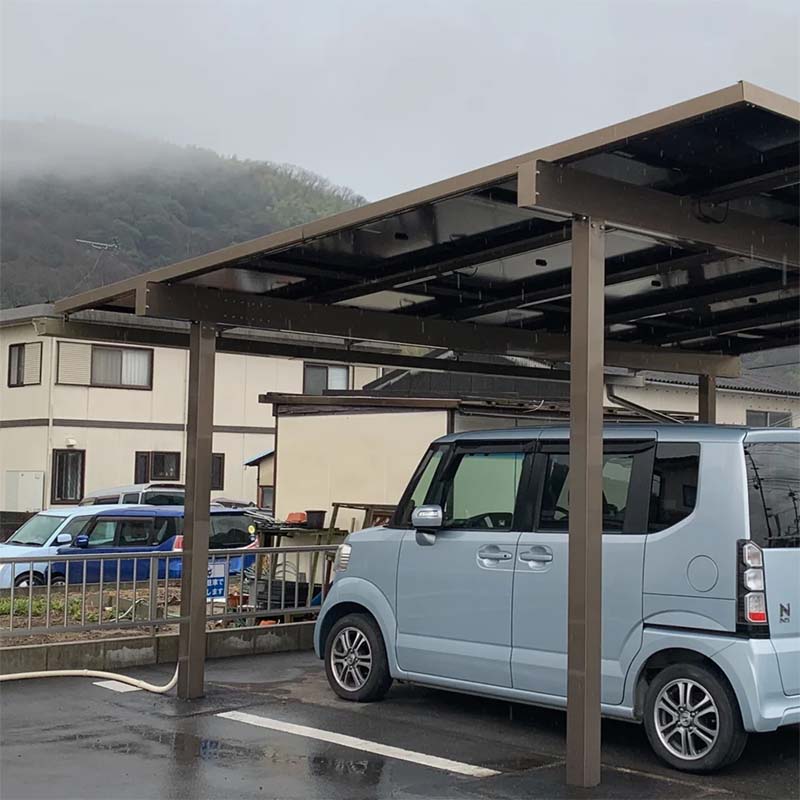
    As renewable energy takes center stage, solar carports have evolved from simple shade structures to intelligent energy generators. Leading this revolution are aluminum solar carports – combining unmatched durability with sleek aesthetics to create parking solutions that actually pay for themselves. 5 Reasons Aluminum Solar Carports Outperform the Competition 1.Featherlight but Unbreakable Weighing 66% less than steel yet equally robust, aluminum frameworks support solar arrays without straining structures – perfect for retrofitting existing spaces. 2.Self-Protecting Metal Aluminum's natural oxide coating acts as an invisible shield, making it impervious to rust even in salty coastal air or tropical humidity. 3.Architectural Chameleon From matte black to champagne bronze, powder-coated aluminum adapts to any design scheme while maintaining crisp, contemporary lines that elevate property values. 4.Dual-Revenue Generator These smart structures slash electricity bills while potentially earning income through net metering – transforming parking lots into power plants. 5.Install-and-Forget Convenience Unlike wood or steel, aluminum never needs repainting or rust treatment – just an occasional rinse to maintain its like-new appearance for decades. Style Meets Function: 5 Solar Carport Designs 1. Floating Canopy (Single-Cantilever) Perfect for: Luxury homes Innovation: Column-free design creates the illusion of a hovering roof Bonus: Uninterrupted parking and charging access 2. Corporate Peak (Double-Slope) Enterprise solution: Office complexes and shopping centers Smart engineering: Angled roofs maximize solar capture and snow shedding Scale advantage: Covers 12+ vehicles in a single structure 3. Urban Solar Deck (Flat-Top) Metropolitan favorite: Apartment buildings and municipal garages Hidden power: Low-profile panels blend into cityscapes Tech edge: Integrated monitoring systems track energy production 4. AeroWave (Curved Roof) Statement piece: Resorts and high-profile campuses Wind-tested: Aerodynamic shape withstands 120mph winds Design bonus: Creates stunning light patterns underneath 5. Infinite Solar Grid (Modular System) Industrial solution: Universities and factory complexes Future-proof: Add units like Lego blocks as needs grow Smart infrastructure: EV charging and IoT connectivity ready Beyond Parking: The Solar Carport Revolution Today's aluminum solar carports represent a paradigm shift in how we think about infrastructure. They're no longer just shelters, but: Energy assets with 25+ year lifespans Architectural enhancements that increase property appeal Sustainable statements that demonstrate environmental leadership From a homeowner's driveway to Amazon's massive fulfillment center installations, aluminum solar carports deliver the perfect trifecta: beauty that inspires, engineering that endures, and technology that pays dividends. Ready to transform your parking space into a power producer? Explore our gallery of aluminum solar carport installations and calculate your potential savings today. [View Design Portfolio] | [Get a Custom Quote] | [Calculate ROI] This version: Uses more compelling, benefit-driven language Incorporates technical details while keeping it engaging Positions the product as both practical and aspirational Includes clear CTAs Better visual hierarchy for scanning More specific performance claims Would you like me to adjust the tone (more technical/premium/casual) or emphasize certain aspects like commercial vs residential applications?
    Read More
  • The Solar Hook: Your Essential Partner for Hassle-Free Solar Installations
    The Solar Hook: Your Essential Partner for Hassle-Free Solar Installations
    Apr 02, 2025
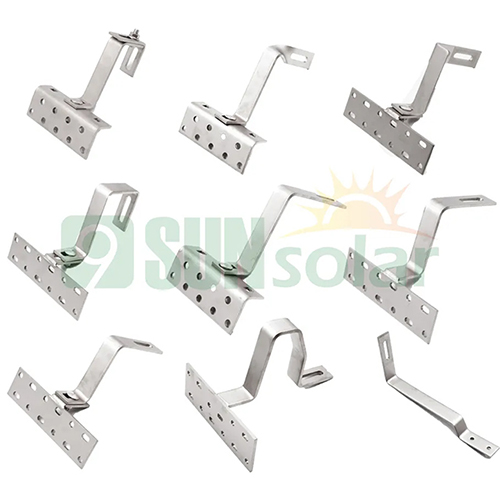
    When building a solar energy system, every component matters - especially the mounting hardware that keeps your panels securely in place. Solar hooks have emerged as the unsung heroes of photovoltaic installations, offering a perfect blend of strength, simplicity, and smart engineering that benefits both installers and system owners. Why Solar Hooks Are Revolutionizing Panel Mounting   1. Military-Grade DurabilityCrafted from aerospace-grade aluminum or marine-grade stainless steel, today's solar hooks laugh in the face of Mother Nature's worst. From scorching desert heat to coastal salt spray and freezing alpine conditions, these components maintain their structural integrity season after season.   2. Installation Game-ChangerThe latest hook designs feature: 1.Tool-free adjustment mechanisms. 2.Color-coded components for error-proof assembly. 3.Integrated sealing gaskets that activate upon tightening.This translates to installation speeds up to 40% faster than traditional methods.   3. Roof Integrity ProtectionAdvanced engineering solutions now include: 1.Dynamic load distribution pads 2.Self-healing membrane compatibility 3.Weight-dispersing foot designsSome premium models even come with integrated monitoring sensors that alert you to any micro-movements.   4. Future-Proof AdaptabilityModern solar hooks aren't just compatible with today's panels - they're designed for tomorrow's technology too. Many feature: 1.Adjustable tension settings for different panel weights 2.Universal rail interfaces 3.Expansion slots for additional accessories   5. Performance OptimizationThe hidden secret of high-performing solar arrays? Consistent panel alignment. Precision-engineered hooks maintain: 1.Perfect 0.5° angle tolerances 2.Micrometer-level stability 3.Thermal expansion compensation   6. Lifetime ValueWhile the upfront cost is competitive, the real savings come from: 1.30+ year lifespans with transferable warranties 2.Zero maintenance requirements 3.Recyclable material construction   The Bottom Line In an industry where cutting corners can cost thousands in repairs, premium solar hooks represent one of the smartest investments you can make. They're not just hardware - they're insurance for your entire solar investment.
    Read More
  • The Advantages of Solar Ground Systems Across Diverse Terrains
    The Advantages of Solar Ground Systems Across Diverse Terrains
    Mar 12, 2025
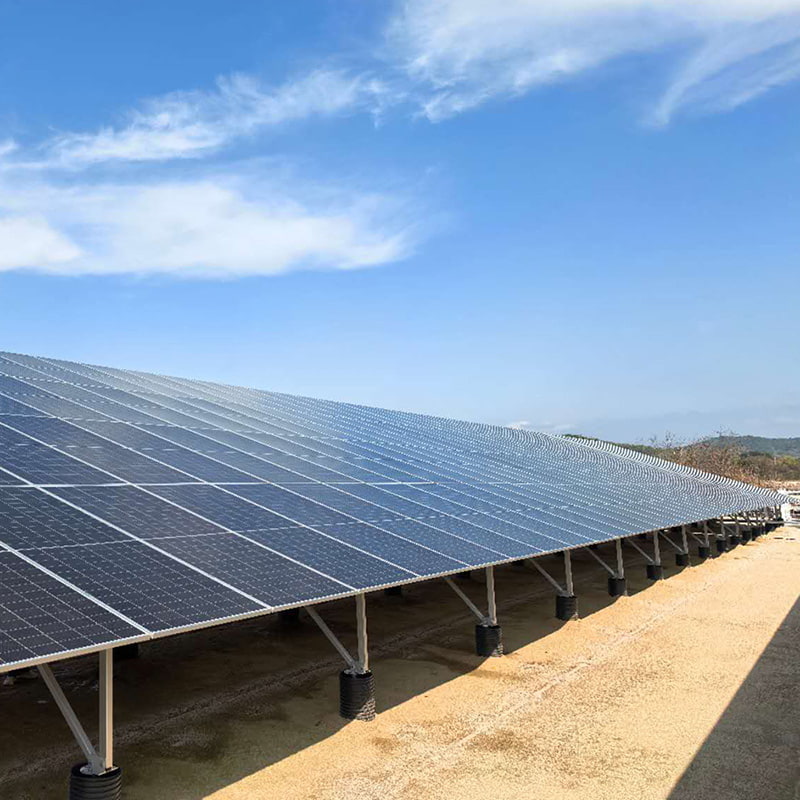
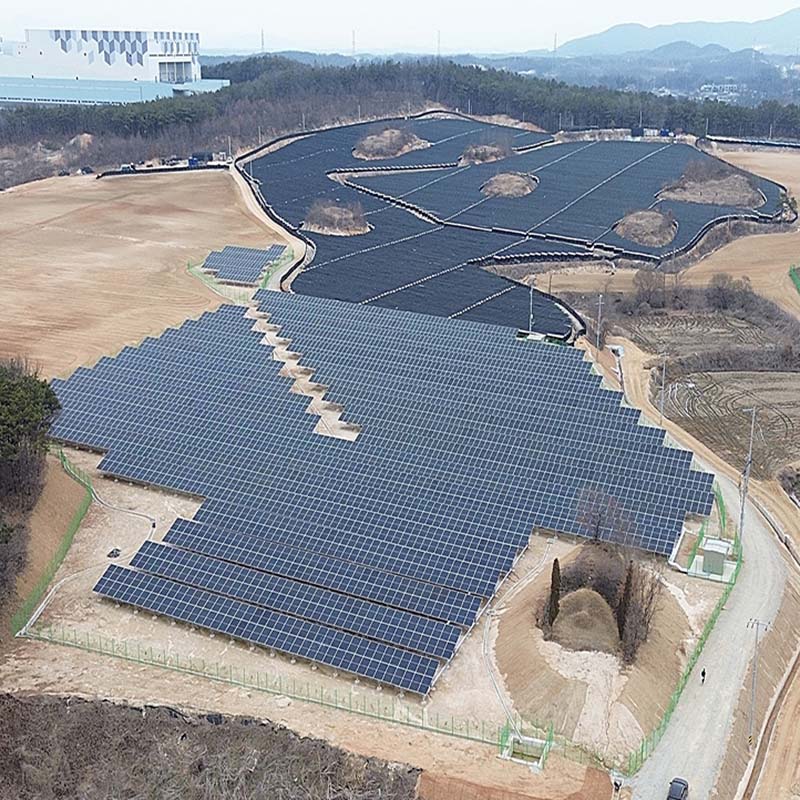
    As the world shifts toward renewable energy, solar power continues to shine as one of the most accessible and sustainable solutions. Among the various solar installation options, solar ground systems have emerged as a versatile and efficient choice for both residential and commercial applications. Unlike rooftop solar panels, ground-mounted systems are installed directly on the earth, offering unique advantages and adaptability to a variety of ground conditions. In this blog, we’ll explore the different types of ground conditions suitable for solar ground systems and highlight their numerous benefits. Understanding Solar Ground Systems Solar ground systems are photovoltaic (PV) arrays installed on the ground rather than on rooftops. These systems are typically mounted on frames or racks that are anchored into the earth, allowing for optimal positioning to capture sunlight. Ground-mounted systems can be installed in a wide range of environments, making them a flexible option for property owners with available land. Adapting to Various Ground Conditions One of the standout features of solar ground systems is their ability to adapt to diverse terrains. Here’s how they perform under different ground conditions: Flat TerrainFlat land is ideal for solar ground systems, as it allows for easy installation and optimal panel orientation. Flat terrains enable installers to position panels at the perfect angle to maximize sunlight exposure, ensuring higher energy output. Sloped or Uneven TerrainSolar ground systems can also be installed on sloped or uneven land. Adjustable mounting systems and specialized racking solutions make it possible to level the panels and maintain efficiency, even on hilly or rugged landscapes. Rocky or Sandy SoilWhile rocky or sandy soil may pose challenges for traditional construction, solar ground systems can be adapted with ground screws, ballasted mounts, or concrete footings to ensure stability and durability. Agricultural or Grazing LandSolar ground systems can coexist with agricultural activities in a practice known as agrivoltaics. By elevating the panels, farmers can grow crops or graze livestock underneath, creating a dual-use system that maximizes land productivity. Brownfield SitesContaminated or unused industrial land, often referred to as brownfield sites, can be repurposed for solar ground systems. This not only generates clean energy but also revitalizes otherwise unusable land. Advantages of Solar Ground Systems Solar ground systems offer a host of benefits that make them an attractive option for property owners and businesses alike. Here are some of the key advantages: Optimal Positioning and EfficiencyUnlike rooftop systems, which are limited by the roof’s orientation and angle, ground-mounted systems can be positioned for maximum sunlight exposure. This often results in higher energy production and greater efficiency. ScalabilityGround systems are highly scalable, making them ideal for large-scale solar farms or smaller residential setups. Property owners can expand their systems as needed, depending on available land and energy requirements. Ease of MaintenanceGround-mounted panels are easier to access and maintain compared to rooftop systems. Cleaning, repairs, and inspections can be performed without the need for climbing onto roofs, reducing safety risks and maintenance costs. No Structural LimitationsRooftop systems are often constrained by the structural integrity of the building. Ground systems eliminate this concern, as they are installed independently of existing structures. Environmental BenefitsSolar ground systems generate clean, renewable energy, reducing reliance on fossil fuels and lowering carbon footprints. Additionally, they can be paired with energy storage solutions to provide power during outages or peak demand periods. Land UtilizationGround systems allow property owners to make productive use of otherwise unused land. Whether it’s a vacant lot, a field, or a brownfield site, solar installations can turn underutilized spaces into valuable energy assets. Conclusion Solar ground systems are a versatile, efficient, and sustainable solution for harnessing solar energy. Their ability to adapt to various ground conditions—from flat terrains to rocky soils—makes them accessible to a wide range of property owners. With advantages like optimal positioning, scalability, and ease of maintenance, ground-mounted solar systems are paving the way for a cleaner, greener future. Whether you’re a homeowner with unused land or a business looking to invest in renewable energy, solar ground systems offer a promising opportunity to reduce energy costs and contribute to a more sustainable planet. So, why not take the first step toward harnessing the power of the sun? The ground beneath your feet might just be the perfect place to start.
    Read More
  • Harnessing the Power of the Sun: The Rise of Solar Farms
    Harnessing the Power of the Sun: The Rise of Solar Farms
    Mar 05, 2025
    In the quest for sustainable energy solutions, solar farms have emerged as a beacon of hope. These vast expanses of photovoltaic panels are not just a testament to human ingenuity but also a crucial step towards a greener future. As the world grapples with the effects of climate change and the depletion of fossil fuels, solar farms offer a promising alternative that is both renewable and environmentally friendly.   What is a Solar Farm? A solar farm, also known as a solar power plant or photovoltaic power station, is a large-scale installation designed to capture sunlight and convert it into electricity. Unlike rooftop solar panels that serve individual homes or businesses, solar farms generate power on a much larger scale, often feeding it directly into the grid to supply entire communities or regions.   How Do Solar Farms Work? At the heart of a solar farm are thousands of solar panels, each made up of numerous photovoltaic (PV) cells. These cells are typically made from silicon, a semiconductor material that absorbs photons from sunlight. When sunlight hits the PV cells, it knocks electrons loose from their atoms, generating an electric current. This process, known as the photovoltaic effect, is the fundamental principle behind solar energy. The electricity generated by the solar panels is in the form of direct current (DC), which is then converted into alternating current (AC) by inverters. AC is the standard form of electricity used in homes and businesses, making it compatible with the existing power grid. From there, the electricity is transmitted through a network of power lines to reach consumers.   Types of Solar Farms There are two main types of solar farms: utility-scale and community solar farms. 1.Utility-Scale Solar Farms: These are large installations that can cover hundreds or even thousands of acres. They are designed to generate massive amounts of electricity, often enough to power tens of thousands of homes. Utility-scale solar farms are typically developed and operated by energy companies and sell the electricity they produce to utilities or directly to the grid. 2.Community Solar Farms: These are smaller installations that allow multiple individuals or businesses to share the benefits of solar power. Participants can either purchase a share of the solar farm or subscribe to a portion of the electricity it generates. Community solar farms are an excellent option for those who cannot install solar panels on their own property, such as renters or homeowners with shaded roofs.   Benefits of Solar Farms 1.Renewable Energy Source: Solar energy is abundant and inexhaustible. Unlike fossil fuels, which are finite and contribute to greenhouse gas emissions, solar power is clean and sustainable. 2.Reduced Carbon Footprint: By generating electricity from sunlight, solar farms help reduce reliance on coal, oil, and natural gas, thereby lowering carbon emissions and mitigating climate change. 3.Economic Growth: The development and operation of solar farms create jobs in manufacturing, construction, maintenance, and more. Additionally, solar farms can provide a steady source of income for landowners who lease their property for solar installations. 4.Energy Independence: Solar farms contribute to energy security by diversifying the energy mix and reducing dependence on imported fuels. This can enhance national energy independence and stability. 5.Low Operating Costs: Once a solar farm is built, it has relatively low operating and maintenance costs compared to traditional power plants. Solar panels have no moving parts, which means fewer mechanical failures and lower maintenance requirements. Challenges and Considerations   While solar farms offer numerous benefits, they are not without challenges. One of the primary concerns is the amount of land required for large-scale installations. Solar farms need significant space to generate substantial amounts of electricity, which can lead to land-use conflicts, especially in areas with limited available land or competing agricultural interests.   Another challenge is the intermittent nature of solar power. Solar farms only generate electricity when the sun is shining, which means they cannot provide a constant power supply without energy storage solutions. Advances in battery technology are helping to address this issue, but energy storage remains a critical area for further development.   Additionally, the initial investment for building a solar farm can be high, although the costs have been decreasing steadily over the years. Government incentives, tax credits, and financing options can help offset these costs and make solar farm projects more economically viable.   The Future of Solar Farms As technology continues to advance, the efficiency of solar panels is improving, and the costs are declining. This trend is making solar farms an increasingly attractive option for meeting the world's energy needs. Innovations such as bifacial solar panels, which capture sunlight on both sides, and solar tracking systems, which follow the sun's movement to maximize energy capture, are further enhancing the performance of solar farms.   Moreover, the integration of solar farms with energy storage systems and smart grid technologies is paving the way for a more resilient and flexible energy infrastructure. These developments are crucial for accommodating the growing share of renewable energy in the global energy mix.   Solar farms represent a significant step forward in the transition to a sustainable energy future. By harnessing the power of the sun, they offer a clean, renewable, and increasingly cost-effective solution to our energy needs. While challenges remain, the continued advancement of technology and supportive policies are driving the growth of solar farms worldwide.   As we look to the future, solar farms will undoubtedly play a pivotal role in reducing our carbon footprint, enhancing energy security, and fostering economic growth. By investing in solar energy today, we are paving the way for a brighter, more sustainable tomorrow.
    Read More
  • Revolutionizing Renewable Energy: The Impact of Solar Carports
    Revolutionizing Renewable Energy: The Impact of Solar Carports
    Feb 25, 2025
    Revolutionizing Renewable Energy: The Impact of Solar Carports   Park Smarter, Power Greener: Discover the Advantages of Solar Carports As sustainability takes center stage in our lives, solar carports are becoming an innovative solution for energy generation and efficient space use. As a leading provider of solar and EPC (Engineering, Procurement, and Construction) solutions, we recognize the significance of harnessing clean energy while maximizing available space. This article explores the concept of solar carports, highlighting their benefits, applications, and important considerations for installation. The Dual Benefits of Solar Carports A solar carport serves a dual purpose: it provides shelter for vehicles while also generating clean electricity through rooftop solar panels. This unique design transforms underutilized parking spaces into mini power plants, offering a range of advantages: Energy Independence and Cost Savings Solar panels on carports generate electricity that can offset energy needs for homes and businesses, reducing reliance on the grid and lowering utility bills. Over time, the savings can be substantial, making the initial investment in a solar carport a smart financial decision. Environmental Sustainability Solar energy is a renewable resource that doesn't emit greenhouse gases, unlike fossil fuels. By utilizing solar carports, you can significantly decrease your carbon footprint and contribute to environmental stewardship. Vehicle Protection Solar carports provide the same protection from harsh weather conditions as traditional carports. They shield vehicles from rain, snow, and intense sunlight, keeping cars cooler and preventing interior sun damage—all while producing electricity. Increased Property Value Properties equipped with solar solutions appeal to eco-conscious buyers and renters. Installing a solar carport can showcase your commitment to sustainability and potentially enhance your property's value. Efficient Use of Space Solar carports make optimal use of existing parking areas, eliminating the need for additional land for solar installations and maximizing land efficiency. EV Charging Capabilities The integration of solar carports with electric vehicle (EV) charging stations creates a sustainable energy ecosystem. The electricity generated can be used to charge EVs, promoting cleaner transportation options. Diverse Applications of Solar Carports Solar carports aren't just for homes; their versatility extends to various sectors: Commercial Parking Lots: Businesses can leverage solar carports to power their operations, reduce energy costs, and enhance their sustainable image. Educational Institutions: Schools and universities can use solar carports as educational tools, showcasing renewable energy while lowering electricity expenses. Municipal Parking Facilities: Cities can install solar carports in public parking areas, providing shade and clean energy generation, thereby promoting community sustainability. Key Considerations for Planning Your Solar Carport Before moving forward with a solar carport installation, keep these essential factors in mind: Site Assessment: A detailed analysis of your property is vital. Evaluate factors such as sunlight exposure, roof pitch, and shading from nearby structures to determine the best placement and efficiency of the solar panels. Carport Size and Design: The design and size of your carport should accommodate the number of vehicles you wish to shelter while aligning with your energy generation goals. Consider configurations based on your space constraints. Solar Panel Selection: Different types of solar panels vary in efficiency and cost. Consult with a solar EPC expert to identify the best panels that meet your energy needs and budget. Local Regulations and Incentives: Research local regulations or permitting requirements for installation. Additionally, explore government incentives or financial programs that can help offset initial costs. A Sustainable Future Awaits Solar carports present a beneficial opportunity for homeowners, businesses, and the environment alike. By utilizing solar energy and optimizing space, they pave the way for energy independence, cost savings, and a greener future. If you’re looking to make an eco-friendly statement while protecting your property and saving money, a solar carport could be the ideal solution. It’s not just an upgrade; it’s a step toward a more sustainable, energy-efficient lifestyle. Professional Consultations Available At 9Sunsolar, we provide expert consultations and maintenance services to ensure your solar panels operate at peak performance. Our certified professionals specialize in comprehensive inspections and tailored maintenance solutions, addressing the unique needs of each solar installation. Contact us today to discover how we can help you achieve optimal solar performance through our professional services. For more insights and updates on solar energy trends, be sure to explore our blog!  
    Read More
  • Why Choose 9Sunsolar Solar Ground Mounting Systems?
    Why Choose 9Sunsolar Solar Ground Mounting Systems?
    Dec 30, 2024
    As solar power becomes a critical element of global energy strategies, the technology behind photovoltaic (PV) installations continues to advance. A successful ground-mounted solar project relies on a sturdy, dependable support system capable of withstanding environmental challenges. 9Sunsolar Solar Ground Mounting Systems lead the industry in providing flexible, durable, and code-compliant solutions tailored to various PV panel installations.   1. Eurocode Compliance for Superior Safety and Durability 9Sunsolar's ground mounting systems are designed to fully comply with the rigorous requirements of Eurocodes, ensuring both safety and longevity. Adhering to these international standards provides confidence in the structural integrity of the systems while guaranteeing reliable long-term performance. Whether supporting crystalline PV modules, thin-film glass panels, or full-size modules with glued backrails, 9Sunsolar offers customized solutions that meet regulatory guidelines. 2. Versatile Solutions for Different PV Module Types One of the standout features of 9Sunsolar’s systems is their versatility. Designed to accommodate various PV module types—ranging from crystalline modules with frames to thin-film glass panels and full-size modules—these systems can be tailored for single, double, or multi-row configurations. This adaptability allows clients to find the ideal solution for projects of any scale or complexity. Tailored Solutions for Unique Projects We understand that every solar project is different, which is why a one-size-fits-all approach doesn't work. 9Sunsolar focuses on providing personalized solutions by closely collaborating with clients during the planning phase. 1. Client-Centric Engineering 9Sunsolar's engineering team works hand-in-hand with clients to design a ground mounting system that meets the unique needs of each project. By considering critical factors such as site location, topography, local wind loads, snow risks, and soil conditions, we ensure that the support system is both efficient and reliable, minimizing the risk of costly delays or performance issues.   2. Design Tailored to Location-Specific Conditions Each project site is distinct, and 9Sunsolar's systems are engineered to adapt to these varying conditions. For instance, in areas prone to strong winds or heavy snowfall, additional reinforcements or specific mounting configurations may be recommended to ensure stability. Ground conditions, such as soil type and acidity, are also considered when selecting the appropriate corrosion protection to extend the system's lifespan. Corrosion Protection for Enhanced Durability Environmental factors can have a significant impact on the longevity of ground-mounted solar systems, yet this aspect is often overlooked. 9Sunsolar's engineers carefully choose the best corrosion protection solutions based on atmospheric conditions and soil chemistry at the project site. Whether a location is exposed to high humidity, saltwater, or industrial pollutants, we ensure our systems are built to withstand these stressors, ensuring long-term durability. Conclusion: Built for Reliability and Efficiency 9Sunsolar Solar Ground Mounting Systems do more than just support PV modules—they provide peace of mind. With a focus on compliance, customization, and durability, these systems ensure your solar energy project operates smoothly, even in the most challenging environmental conditions. From initial planning to execution, 9Sunsolar's engineering expertise and commitment to quality guarantee that your ground-mounted solar array will perform reliably for years, maximizing efficiency and return on investment.
    Read More
1 2

leave a message

leave a message
If you are interested in our products and want to know more details,please leave a message here,we will reply you as soon as we can.
submit
Contact Us : melody@9sunsolar.com

Home

Products

whatsApp

contact